TDP 2006 - Day 5
Porto Heli
Day 5
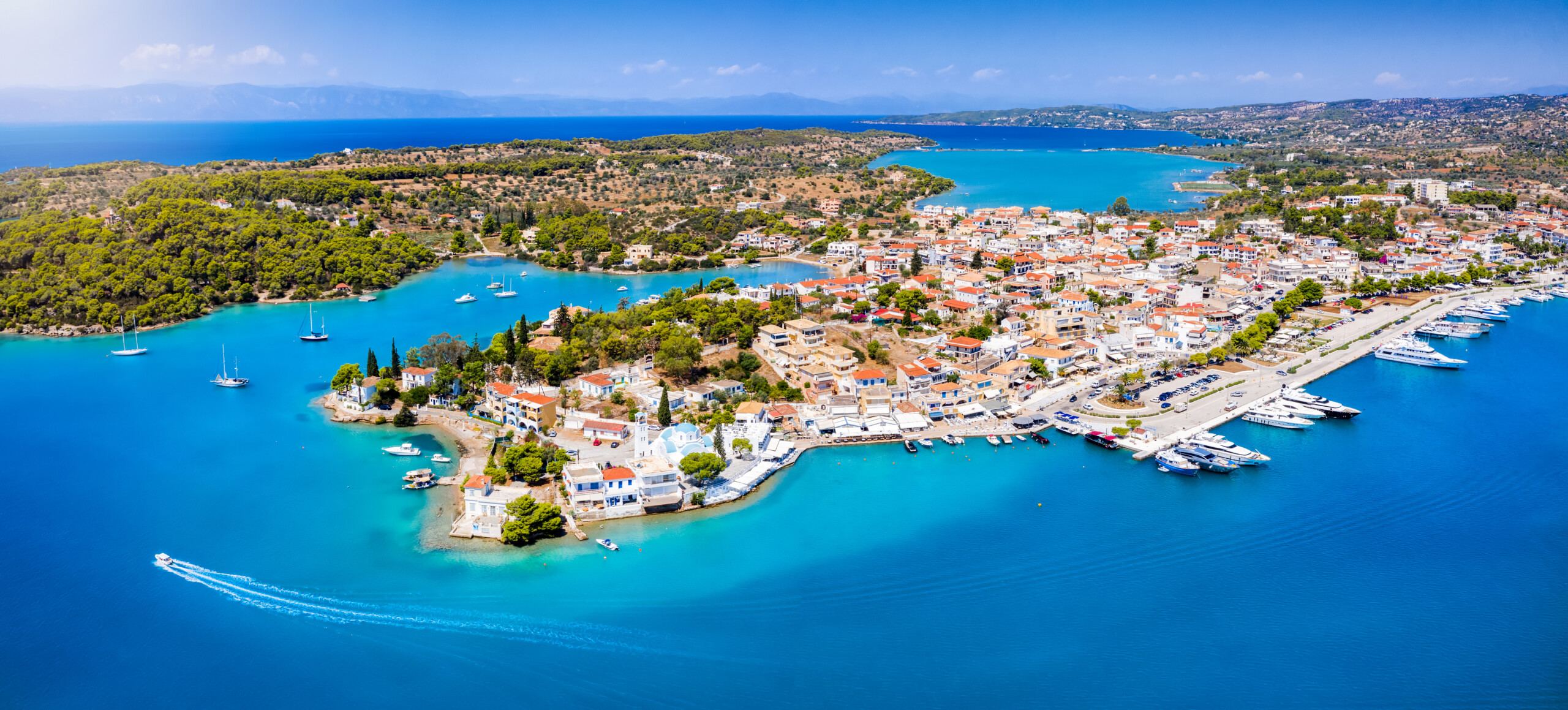
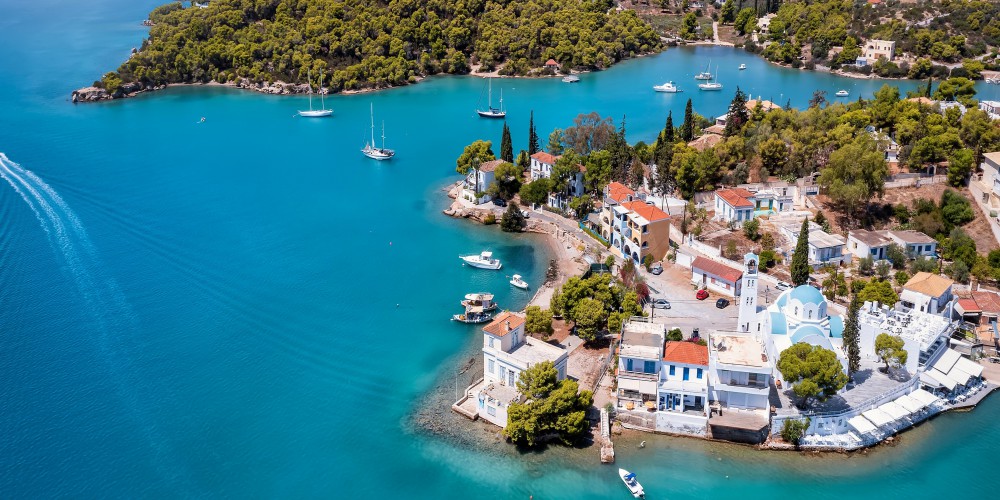
Porto Heli (also spelled Porto Cheli) is a prestigious coastal resort town located in the southeastern region of Argolida. Widely renowned as the “Greek Riviera,” it is famous for its massive, safe natural harbor, crystal-clear azure waters, ultra-luxury villas and vibrant yachting scene.
The safe harbor of Porto Bizato (or Eel Harbor) as the Italians called it in the 18th century, was one of the 6 in the Peloponnese listed on Venetian charts as early as 1692. As a traveler of the earlier times wrote: “The bay of Porto Heli in an ellipsoidal shape curving into small bays with a depth at the entrance of 14-16 fathoms, is the most secured of all the ports of Argolida and looks like a swimming pool crowned with pine hills. Because of its unique mirroring it is called Laco de como”.
However, the history of the area takes us much further back in time, to the Early Helladic period. At that time, it is thought that there was the first settlement on the south side of the bay, opposite the recent one. Much later, at the end of the 7th century BC, the powerful ancient city of Alieon (fishermen) was founded and flourished from 600-300 BC.
Its acropolis was located on the top of the Kastraki hill. It was surrounded by a circular wall of almost 2 km, with towers. Inside it, remains of at least 20 houses, industrial facilities and a religious center were found. Due to the rising of sea levels, in late Antiquity the northern end of the city sank. Areas outside the wall investigated by archaeologists include a sanctuary of Apollo that was in use as early as the 7th century BC. It too is submerged in the Porto Heli bay.
Herodotus mentions that the city took its name after the inhabitants’ occupation with fishing. At the same time, they collected and processed shells from which came the famous purple dye (porphyra) the so-called ‘royal dye’. The shells were transported to the neighboring Hermione to be processed and dyed into yarns and textiles.
Because of its great beauty and fantastic coastline from 1965 onwards the area of Porto Heli attracted wealthy businessmen and VIPs who built large villas with access to the coast. At the same time, investments were made so its infrastructure has been further modernized.
From Porto Heli you can hire a boat for cruises to Spetses and Hydra islands. There is also a diving school. Next to Porto Heli is the Ververonda lagoon, where a ski school operates since 1982.
Methana
Day 5
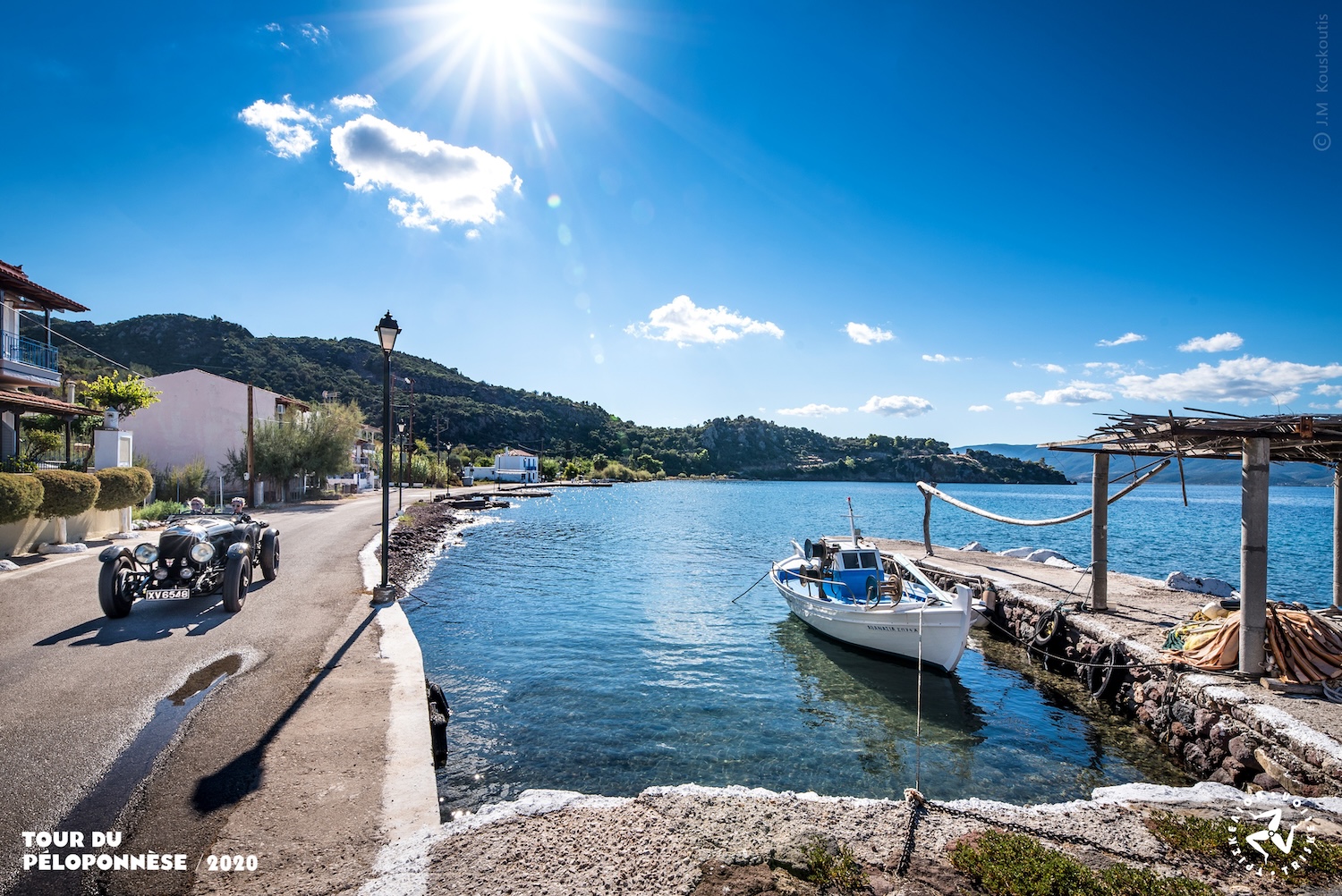
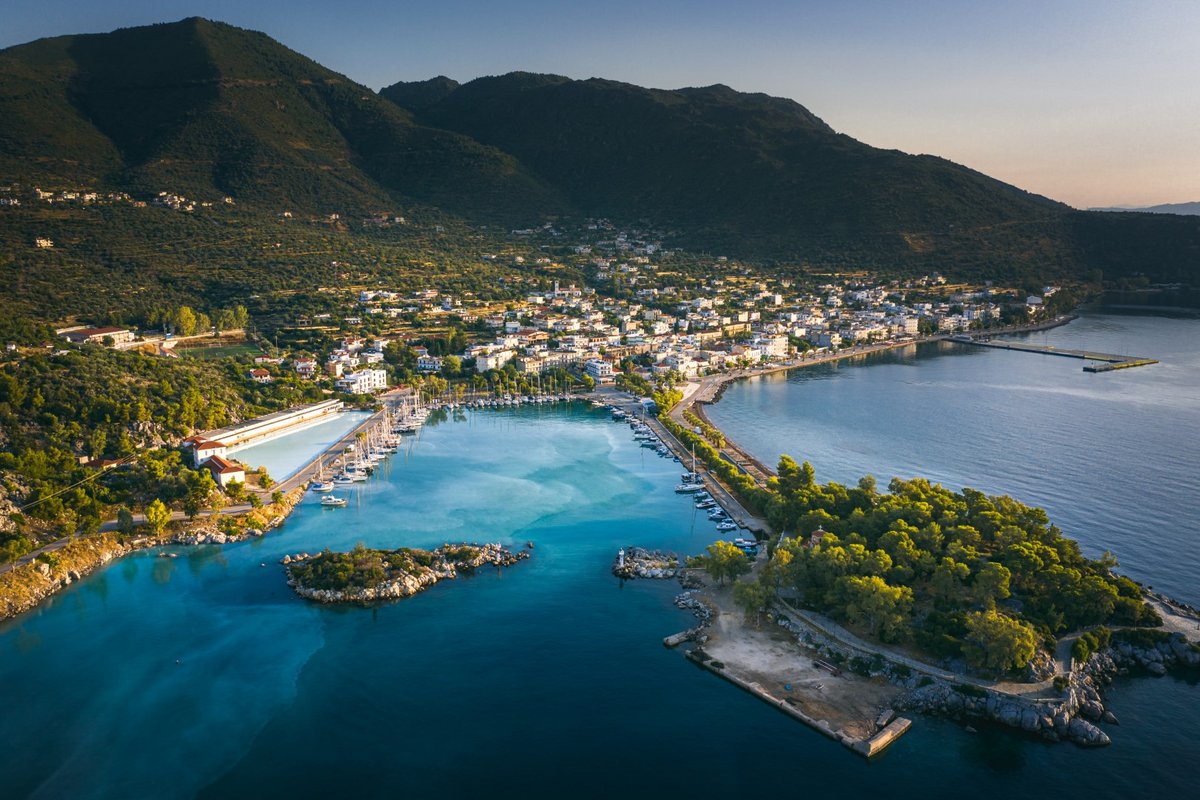
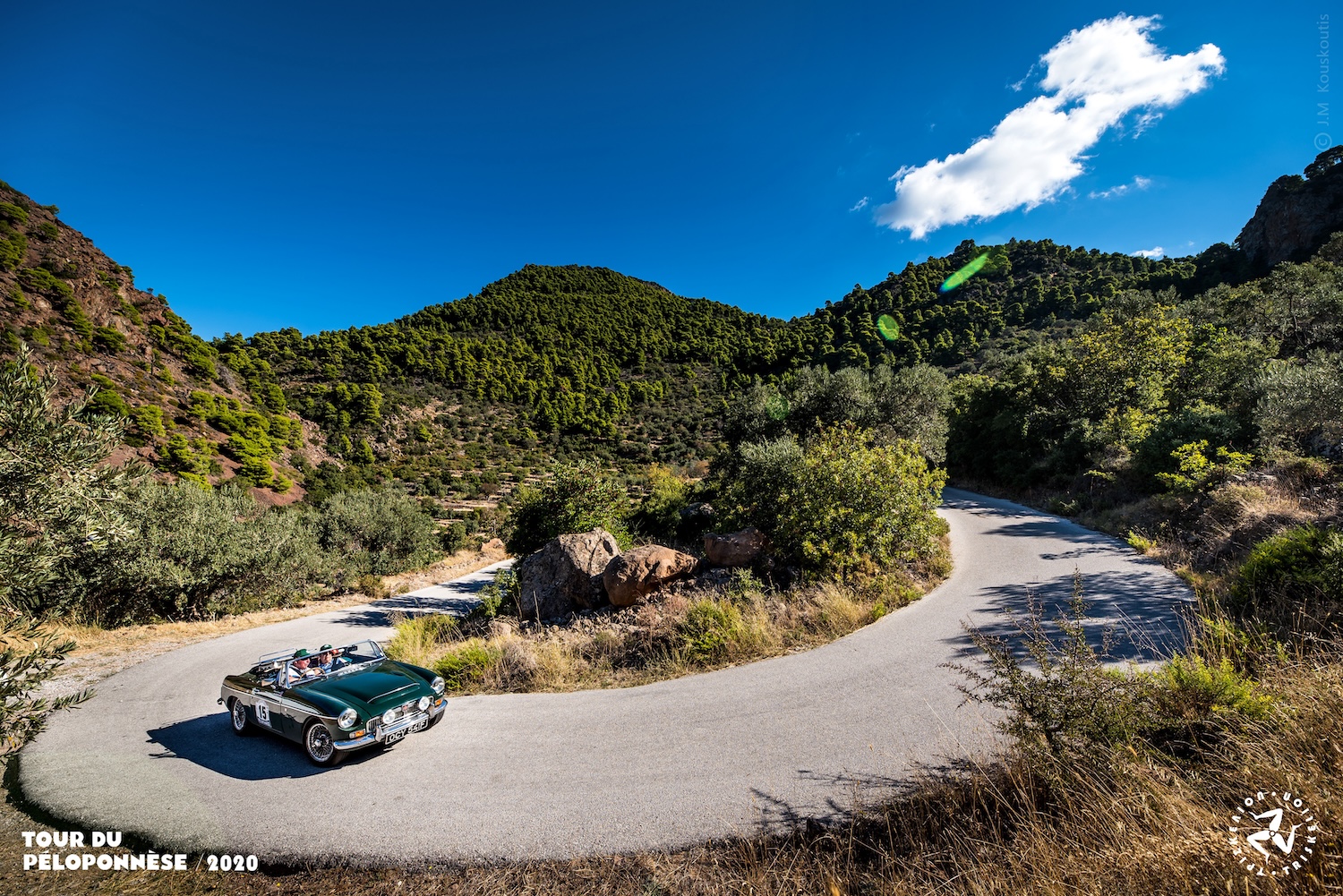
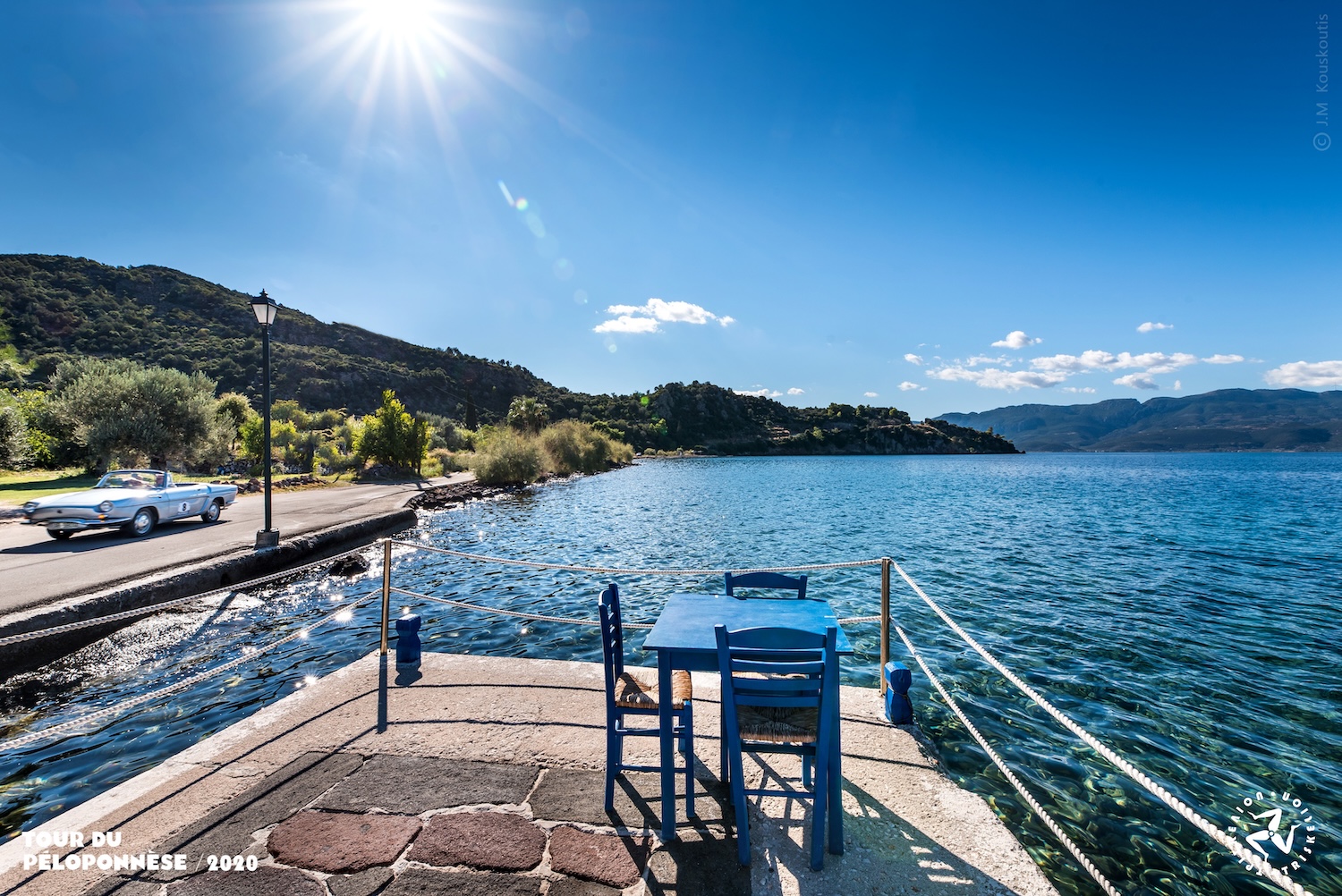
Methana is a dramatic, volcanic peninsula (often called an island due to its isolated feel) extending from the Peloponnese into the Saronic Gulf. Famous for its active volcano, therapeutic sulfur hot springs, and rugged lava landscapes, it offers an authentic, slow-paced alternative to its highly commercialized island neighbors.
The Volcanic Landscape
The entire peninsula was formed by volcanic activity, featuring over 30 distinct craters:
- The Kameni Chora Crater: This is Methana’s most famous site. A marked hiking trail leads you through a striking, dark landscape of petrified lava to the rim of a massive volcanic crater near the traditional village of Kameni Chora.
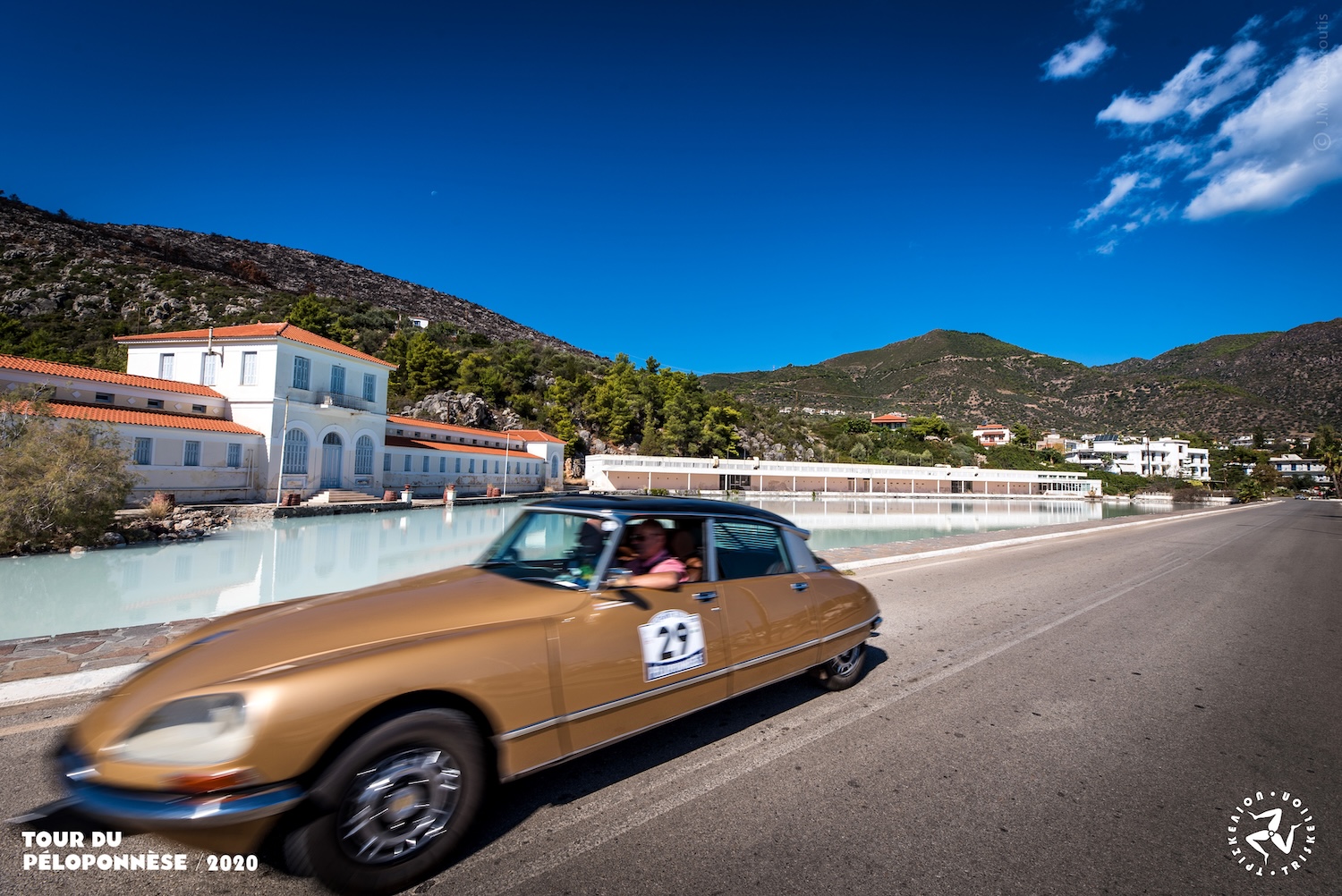
- The Thermal Springs: Known since ancient times, the town features natural, therapeutic sulfur springs. The striking, neo-classical Thermal Spa building greets you right at the entrance of the main harbor.
- The Submerged Ancient City: Located in the coastal area of Vathy, you can snorkel to spot underwater ruins of an ancient settlement dating back to the Mycenaean era.
Picturesque Coastal Villages & Beaches
Methana’s coastline alternates between black volcanic sand shores and tranquil fishing harbors:
- Vathy Village: A picture-perfect, deeply sheltered fishing village on the western side. It is the best spot on the peninsula to sit by the water and enjoy exceptionally fresh seafood at traditional tavernas.
- Limniona Beach: A large, peaceful beach on the northern coast covered in dark sand and surrounded by pine trees, offering exceptionally calm waters.
- Agios Nikolaos: Famous for its “Palea Kameni” thermal springs, where warm, mineral-rich water flows directly into the sea, allowing for a unique, natural open-air thermal bath.
Galatas
Day 5
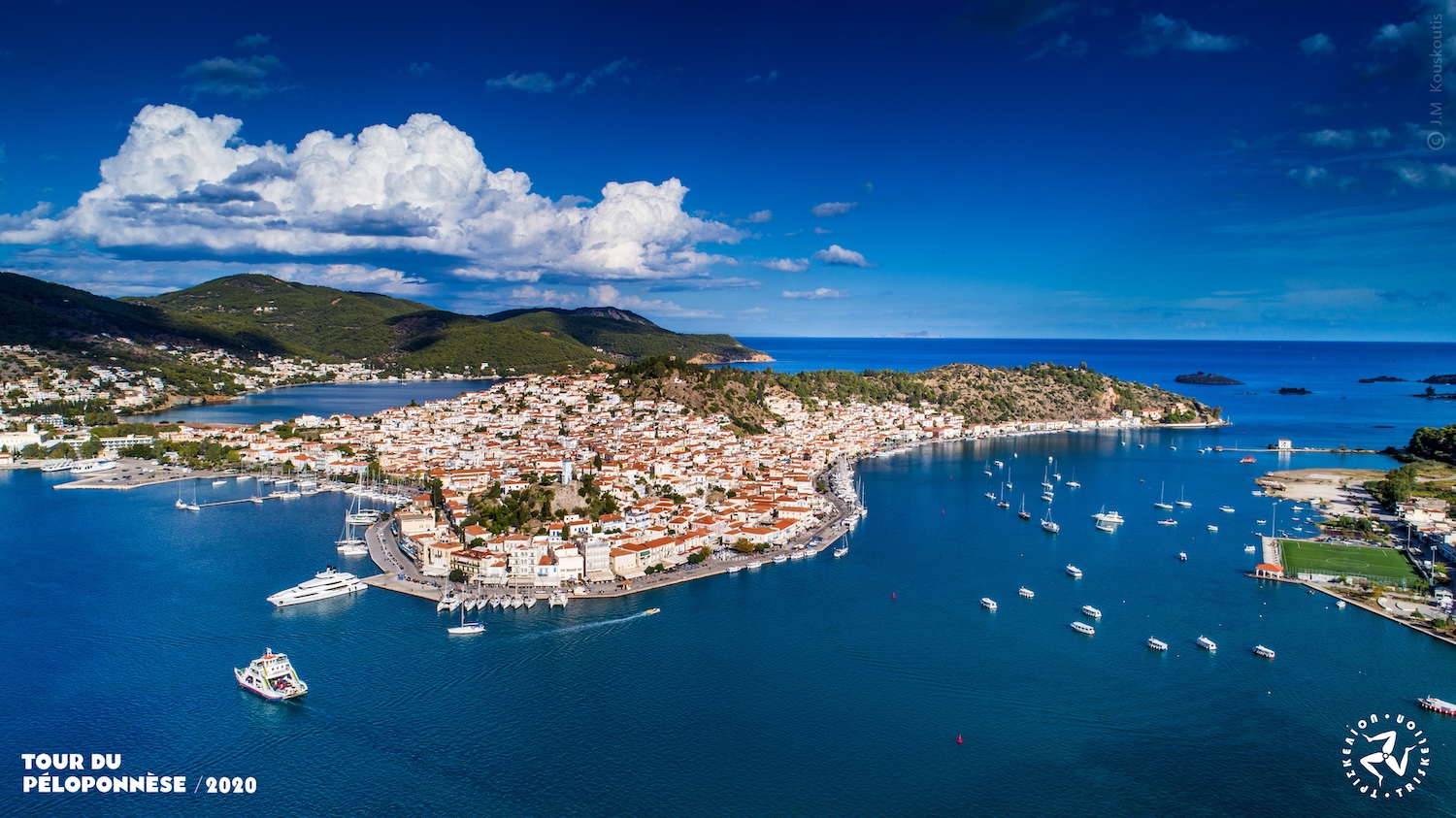
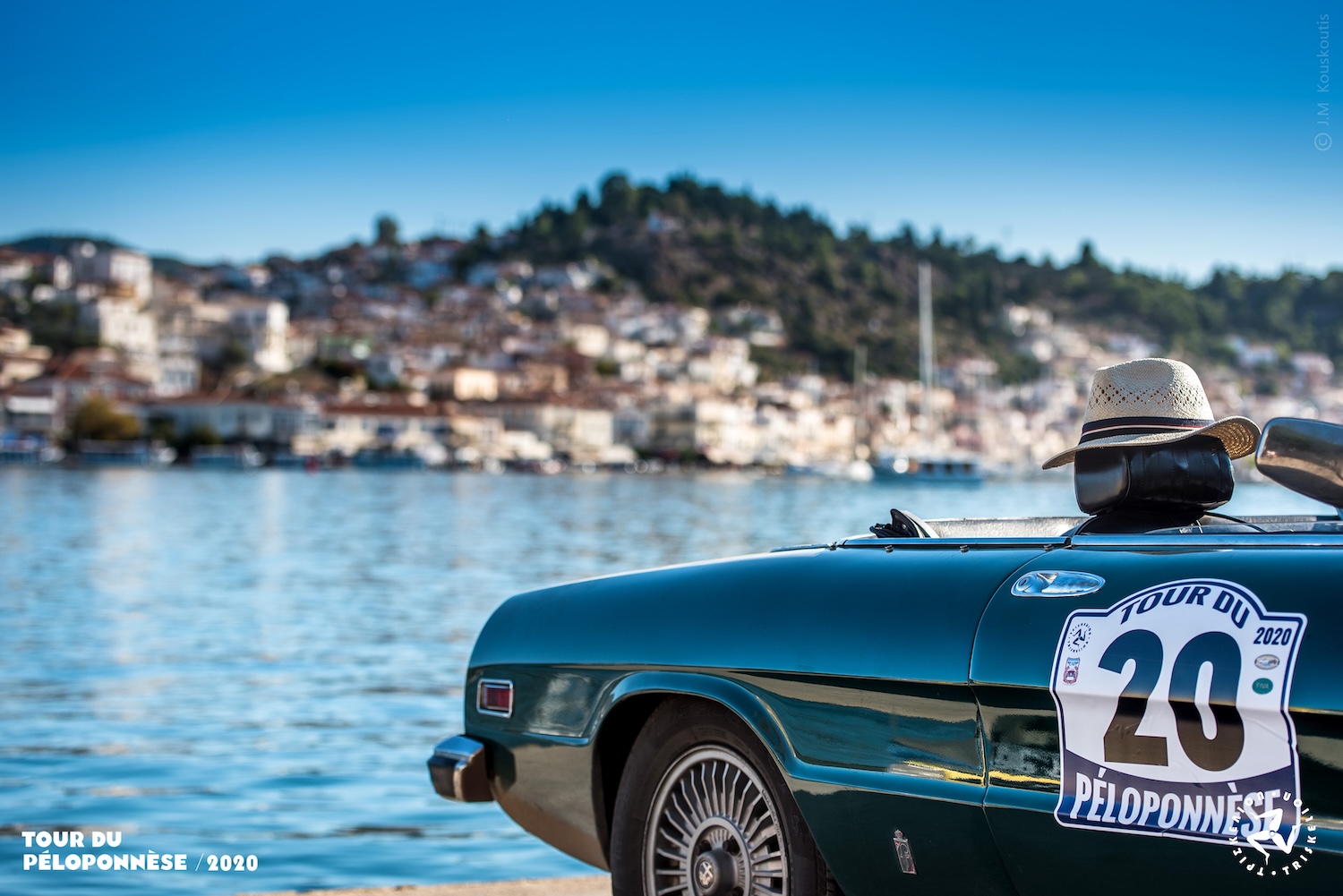
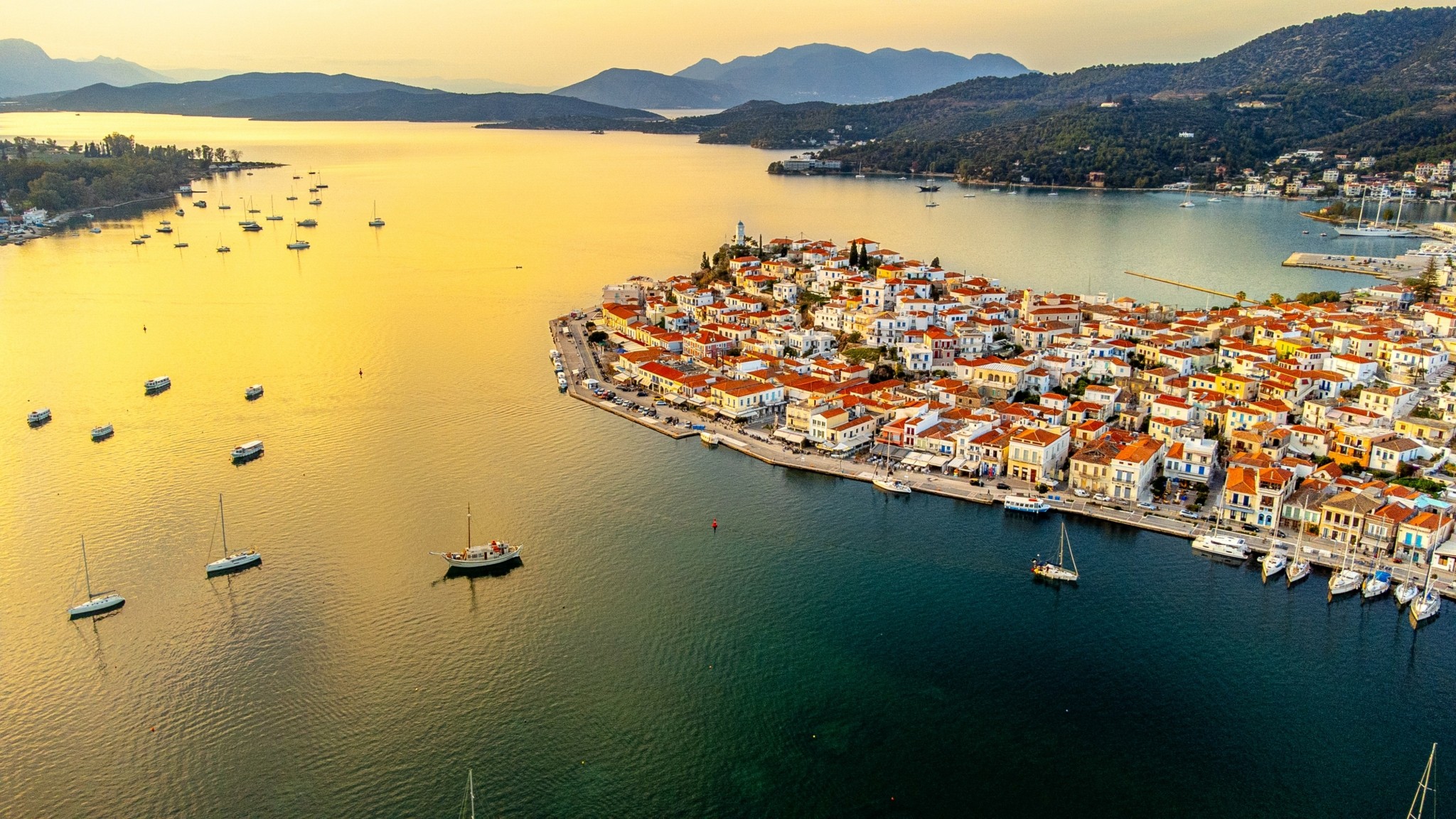
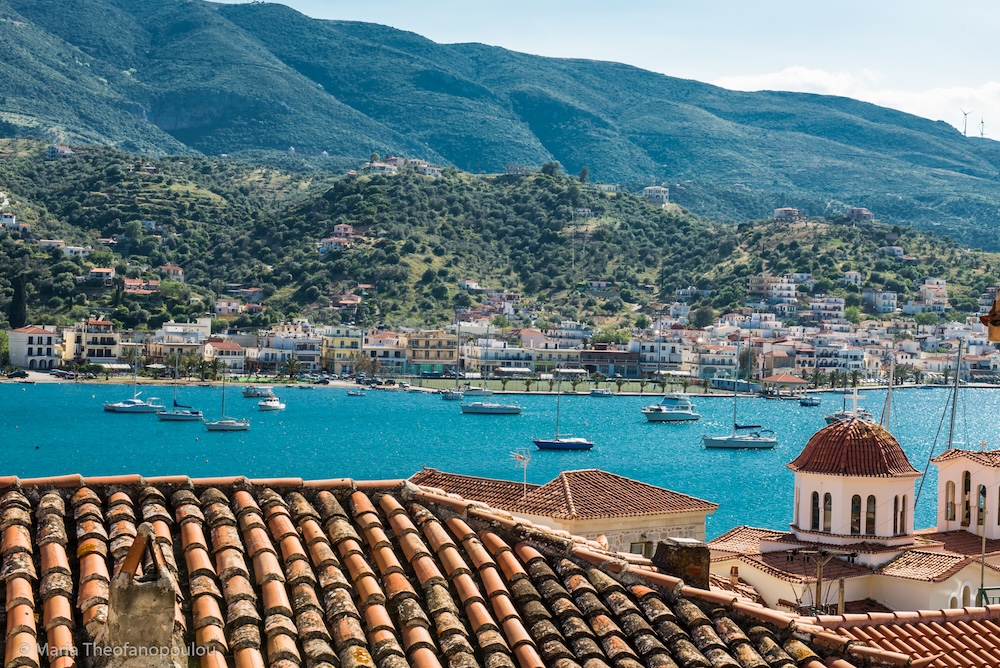
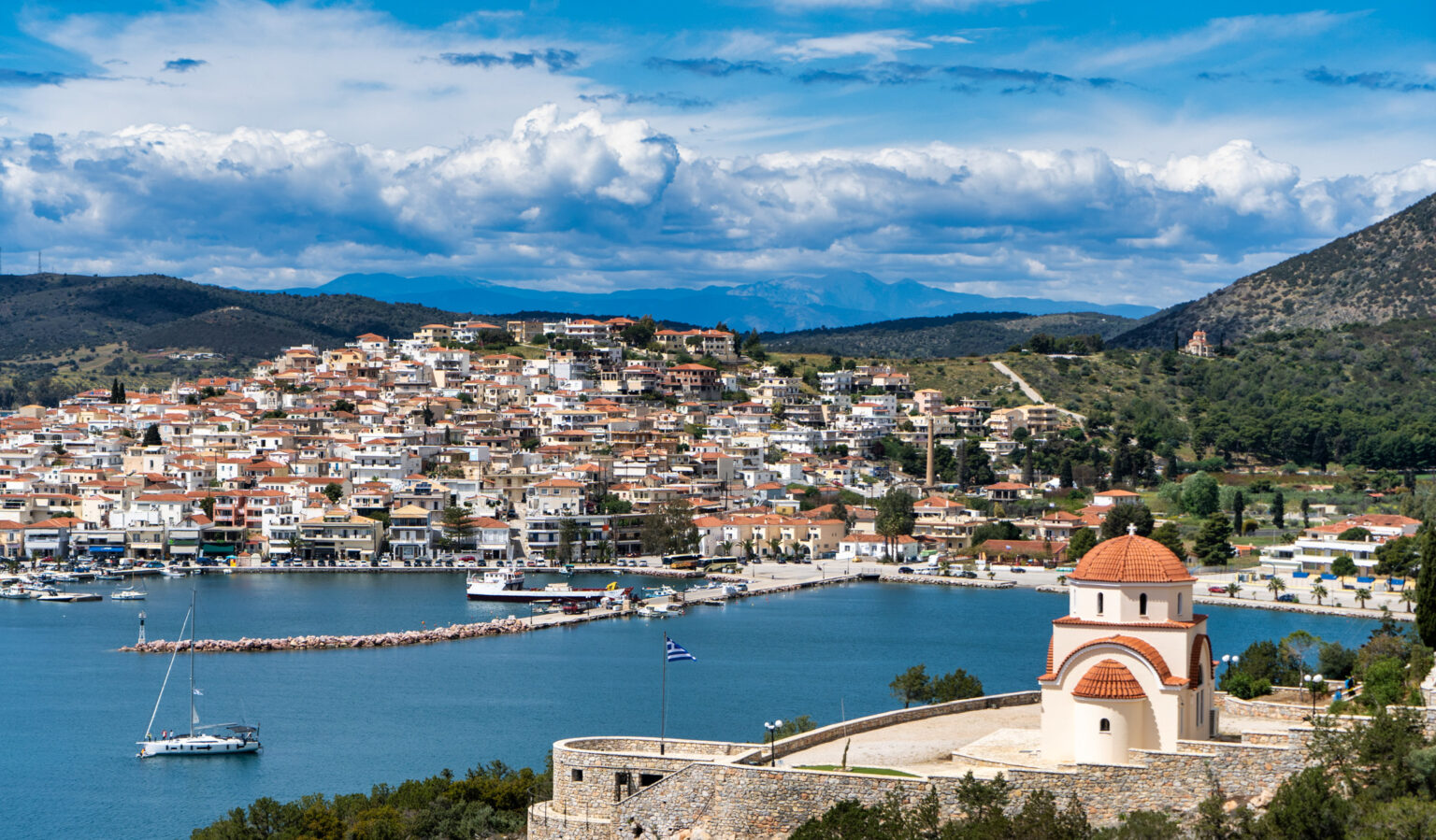
Galatas is a charming mainland coastal town in the Peloponnese, situated directly across a narrow 300-meter sea channel from the popular island of Poros. It functions as the ultimate gateway to Poros while offering a relaxed, authentic Greek atmosphere with affordable dining, classic waterfront views, and rich nearby nature.
Top Attractions & Nature
- The Lemon Forest (Lemonodasos): Located just 3 km southeast of Galatas, this expansive historic grove features thousands of lemon and orange trees, watermills, and scenic pathways. It blooms delightfully in spring.
https://www.greekgastronomyguide.gr/en/item/lemonodasos-porou/
- Aliki Beach: A lovely, organized beach located a short distance west of the town center, featuring calm waters, nice amenities, and a local water sports hub.
- Ancient Troezen (Troizina): Situated just a 15-minute drive inland from Galatas, these quiet archaeological ruins include the legendary Tower of Theseus and scenic hiking paths in the gorge.
Ermioni
Day 5
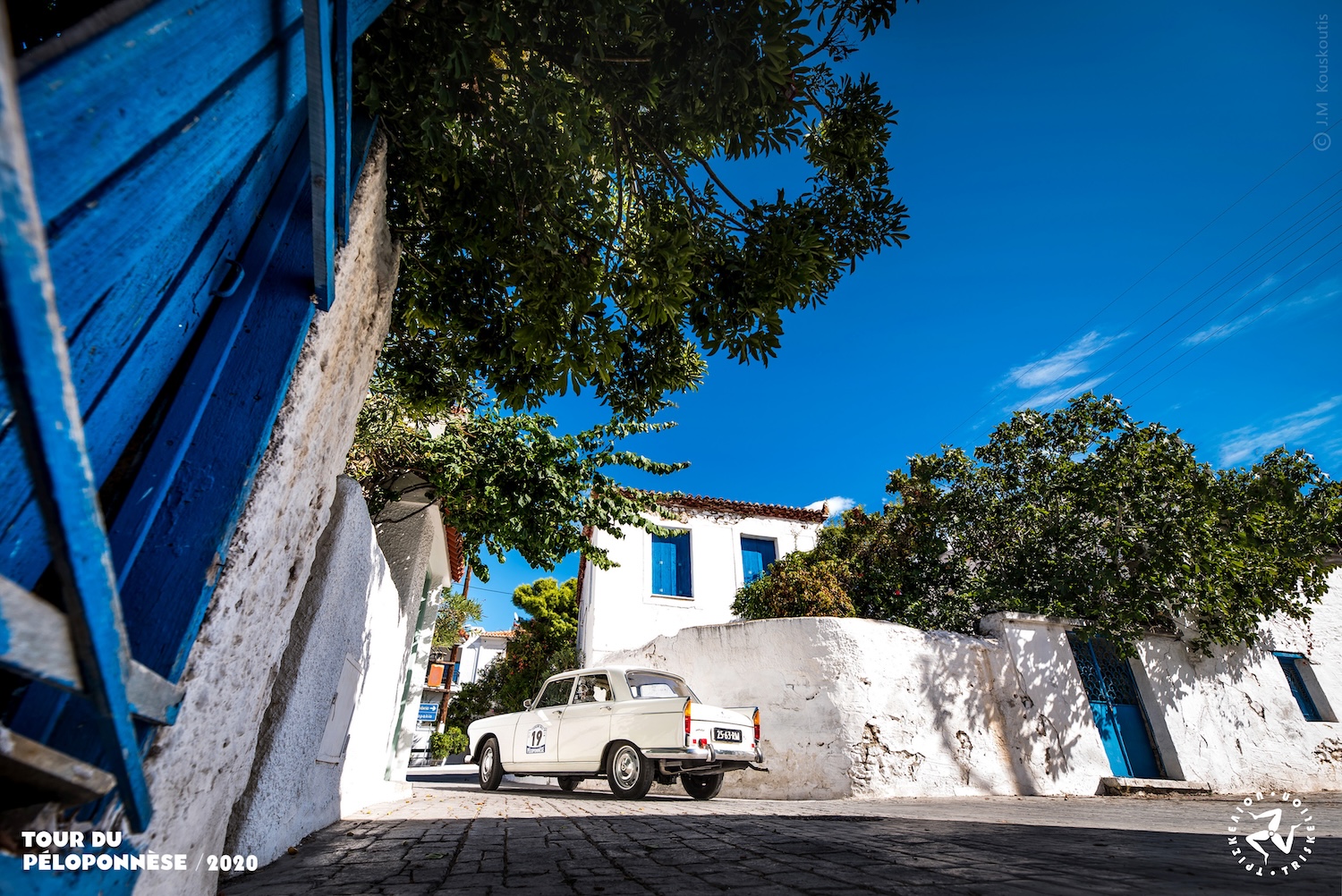
Ermioni is a picturesque coastal resort town in the southeastern Peloponnese, built on a striking peninsula that gives it an authentic island-like aura. Famous for its tranquil harbors, pine-clad cape, and rich maritime heritage, it blends traditional Greek village charm with a sophisticated holiday atmosphere.
Ermioni (Ancient Hermione and Medieval Kastri) can be divided into three sections:
The commercial Limani port and harbour is located on the Northern side, with the lively Mandrakia on the Southern side of the peninsula. At the Eastern end of the town, is the archaeological pine-cladded forest area called the Bisti. Here one can enjoy leisurely walks at any time of day, as there is plenty of shade, and see remains of the 5th century BC temple of Poseidon and other Ancient, Byzantine and Medieval monuments.