TDP 2006 - Day 4
Geraki Lakonias
Day 4
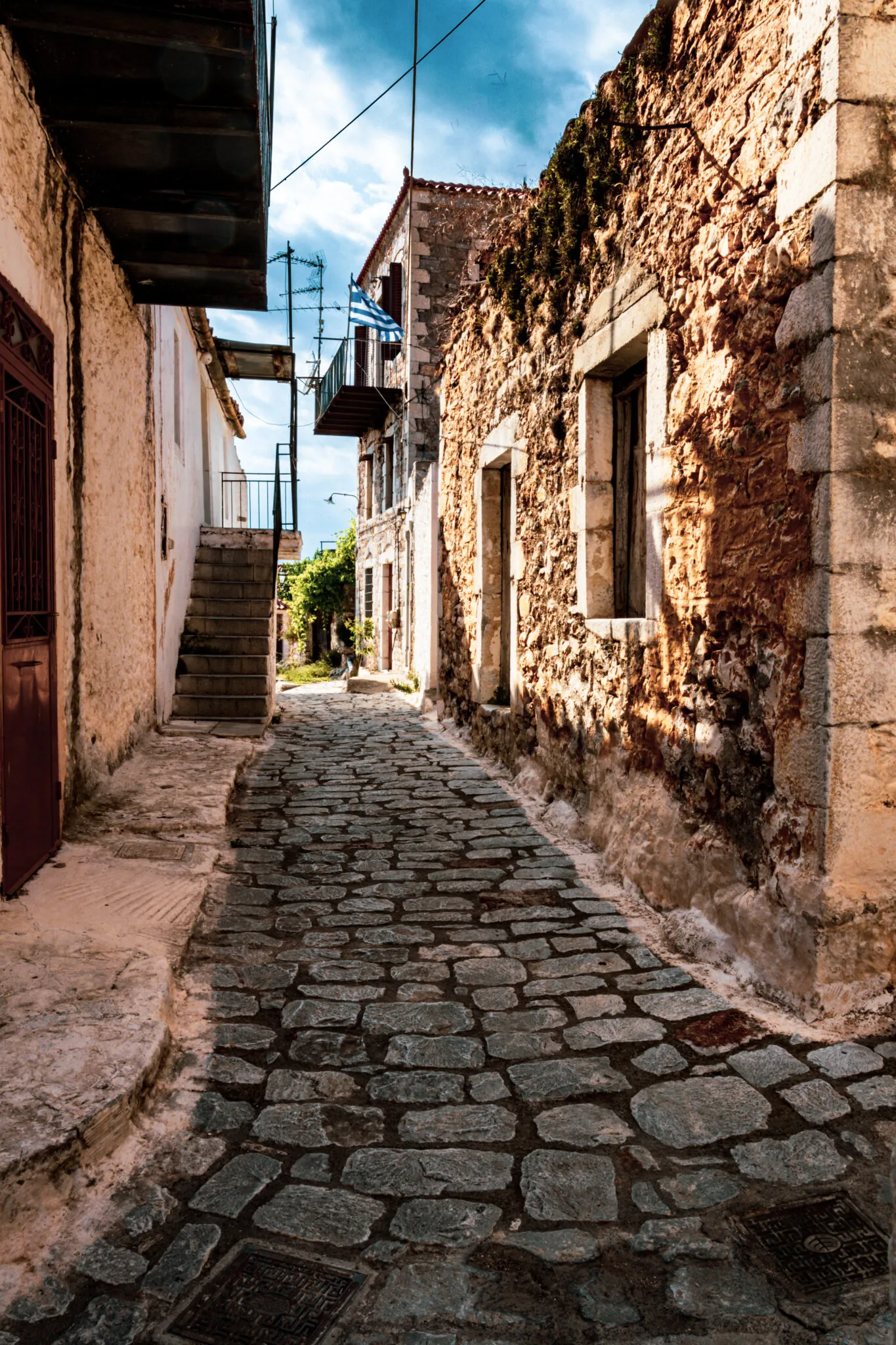
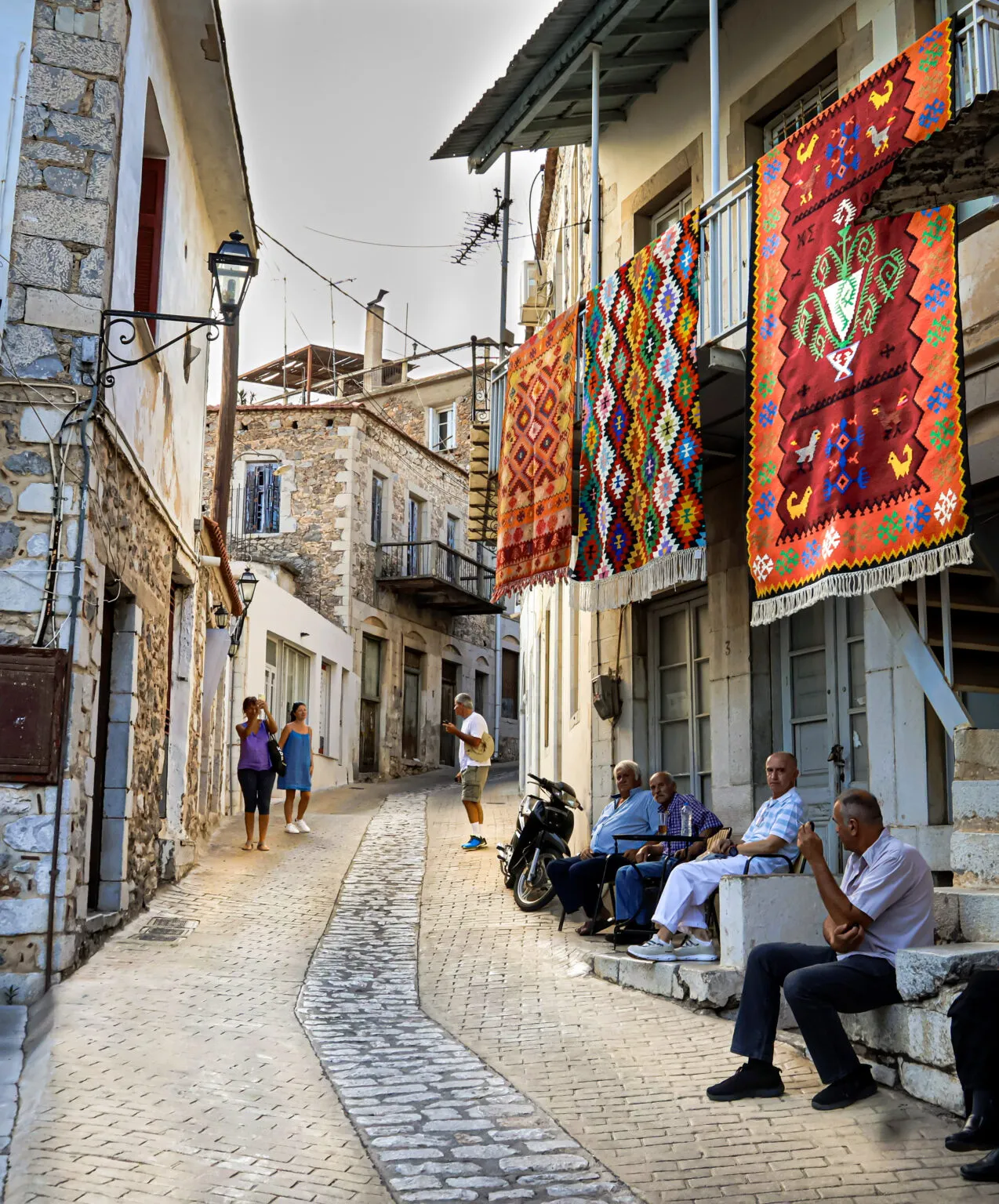
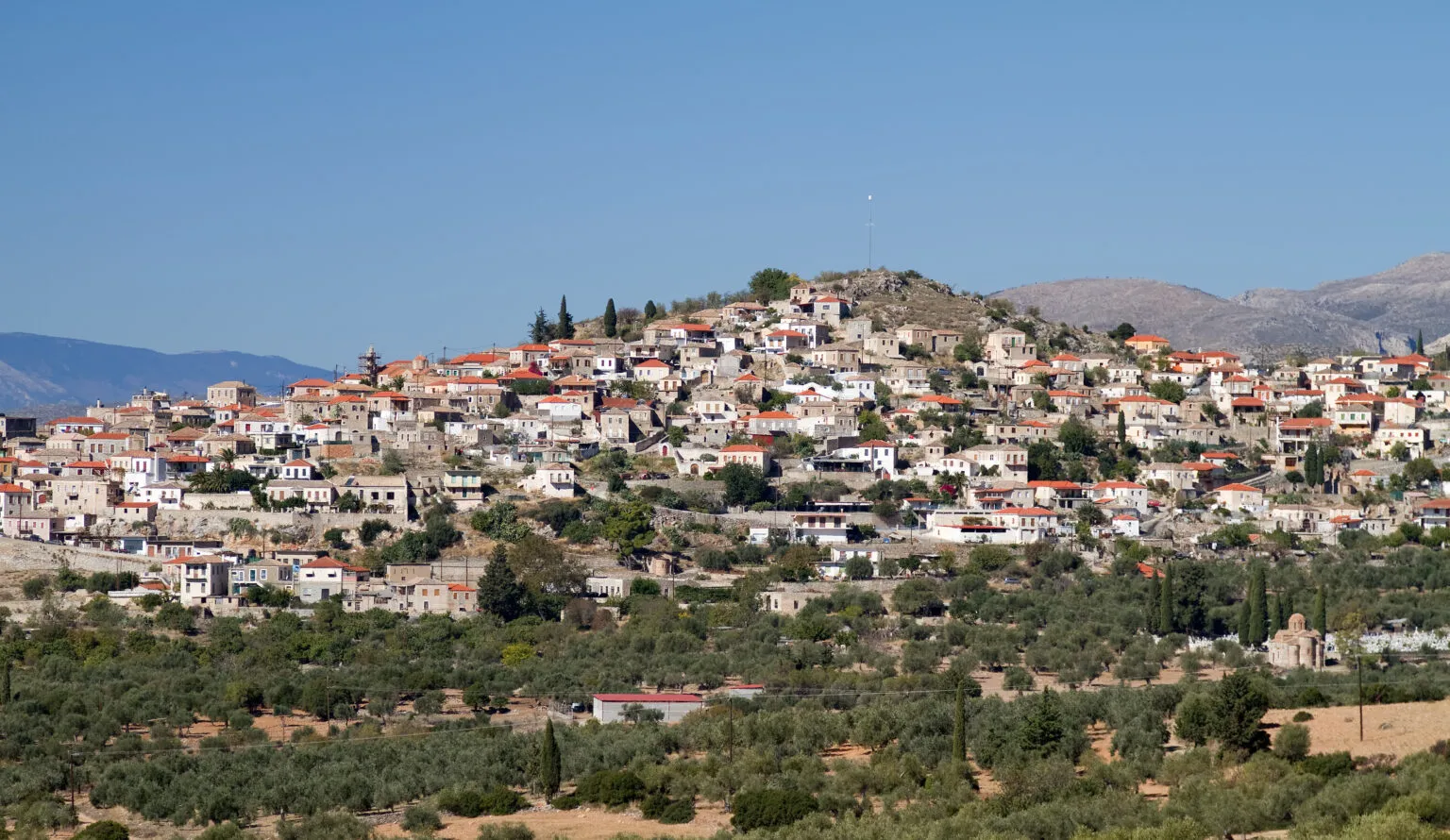
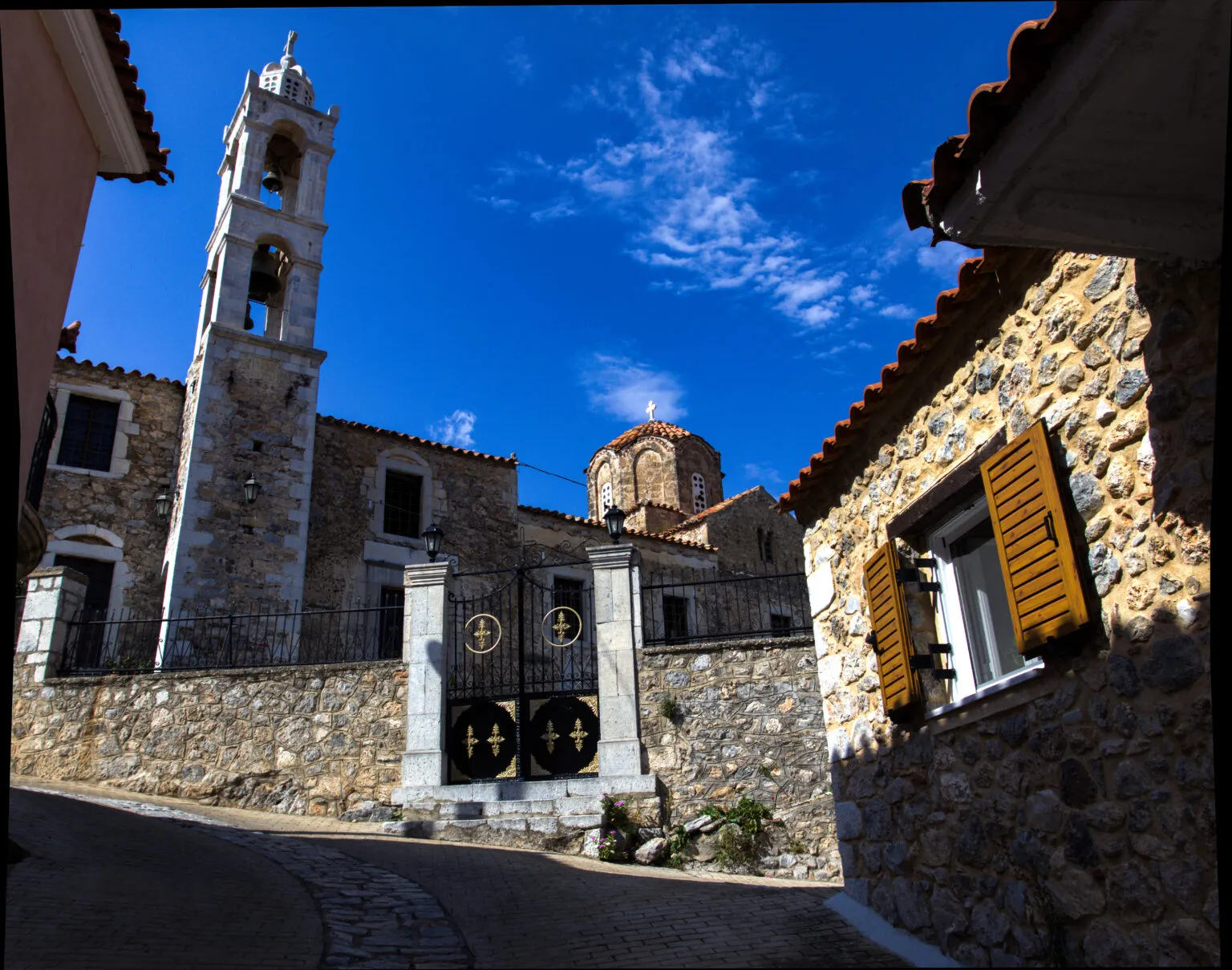
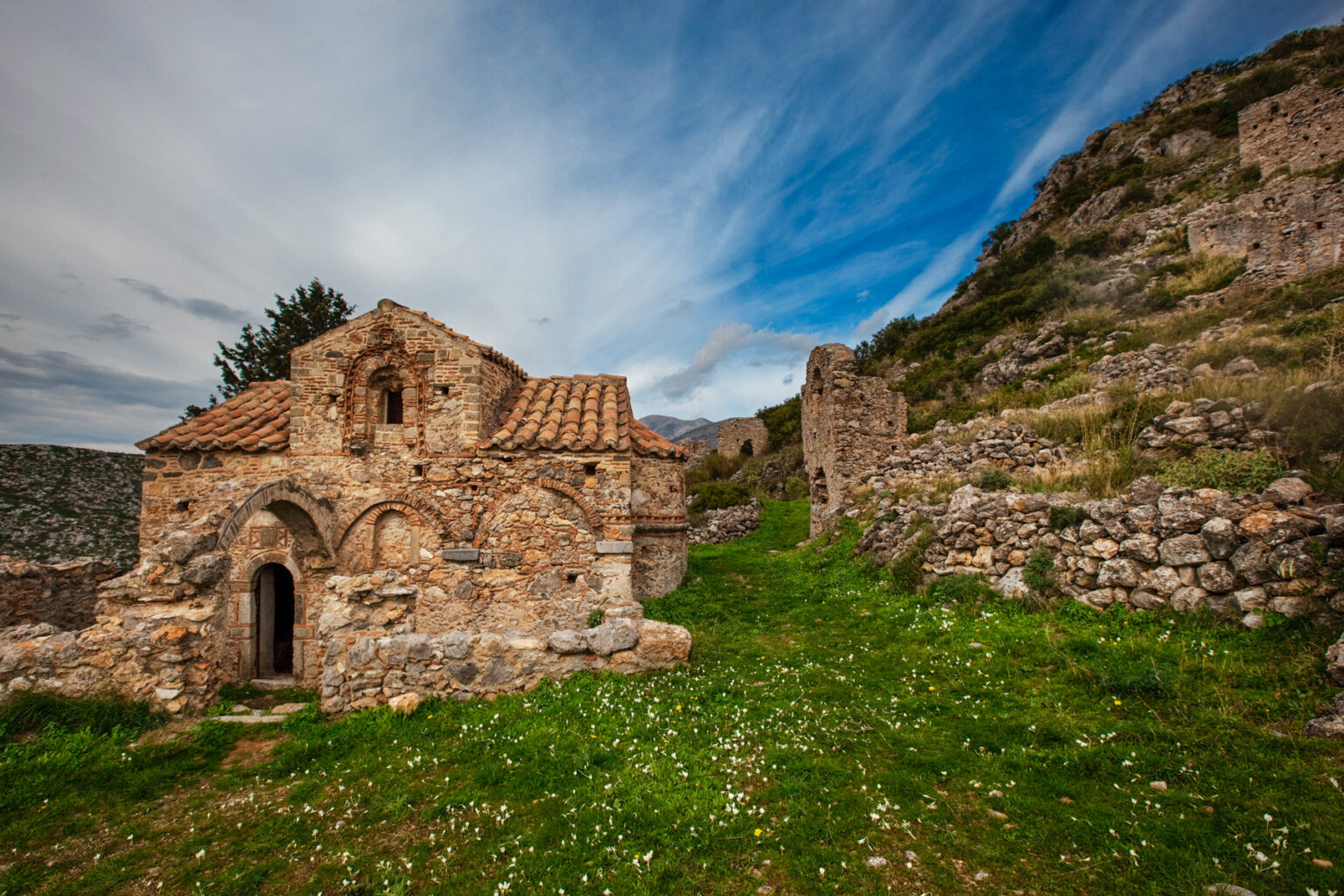
Geraki is a traditional settlement known for its medieval architecture and rich history. It is built on the slopes of a hill, offering stunning views of the surrounding landscape. The village has preserved much of its authentic character, with stone houses, narrow cobblestone streets, and remnants of ancient fortifications.
Historical Significance
- Geraki was an important medieval fortress town during the Frankish period in Greece.
- It has a well-preserved castle, which is a major attraction for visitors interested in history and architecture.
- The castle and village played a significant role in local defense and administration during the Middle Ages.
Attractions
- Geraki Castle: A medieval fortress with towers, walls, and stunning views from the top.
- Traditional Architecture: Explore the village streets lined with stone houses and small churches.
- Church of Agios Nikolaos: A notable Byzantine church located within the village.
- Scenic Views: Panoramic views of Laconia, including the Myrtoan Sea and surrounding mountains.
Kosmas Lakonias
Day 4
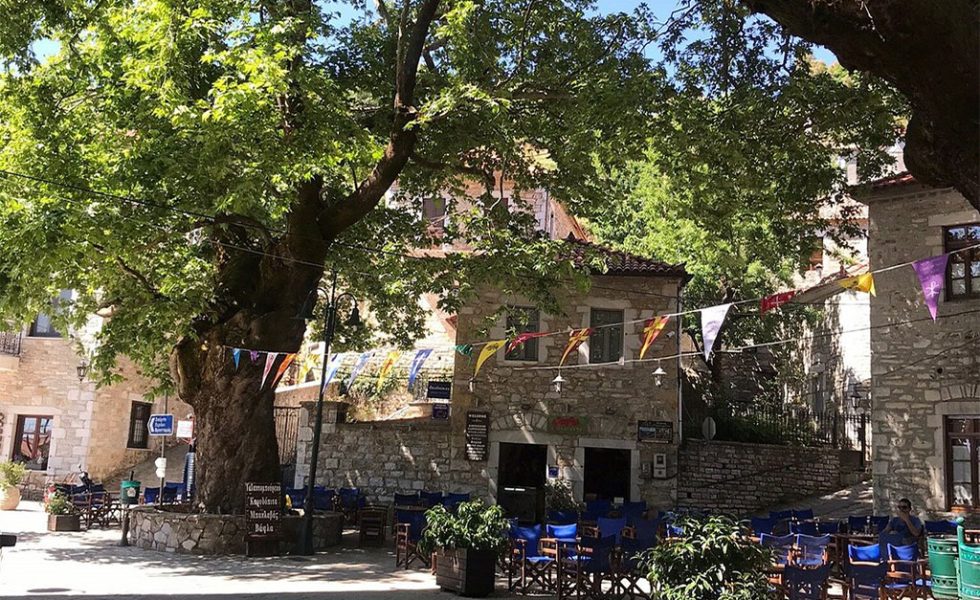
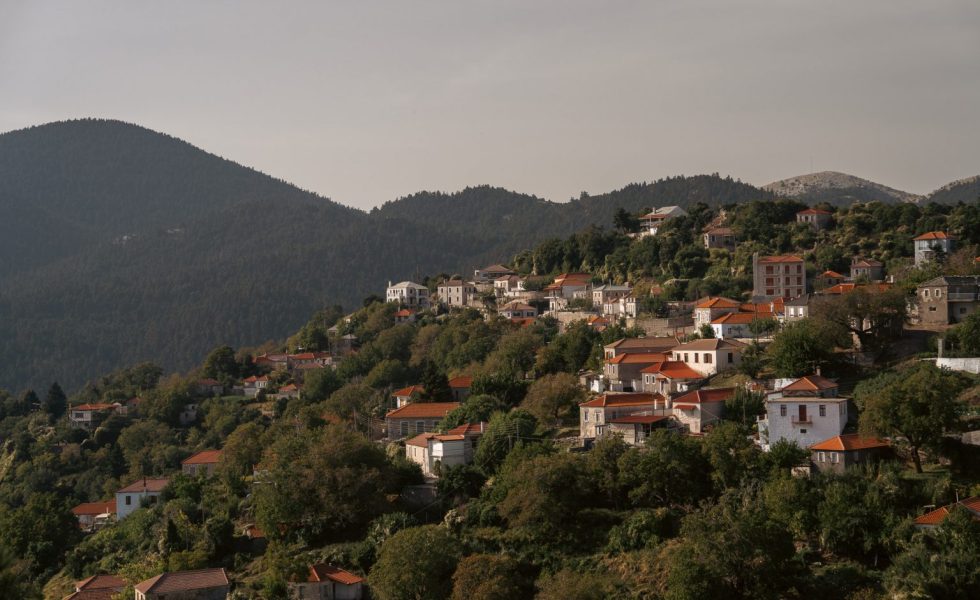
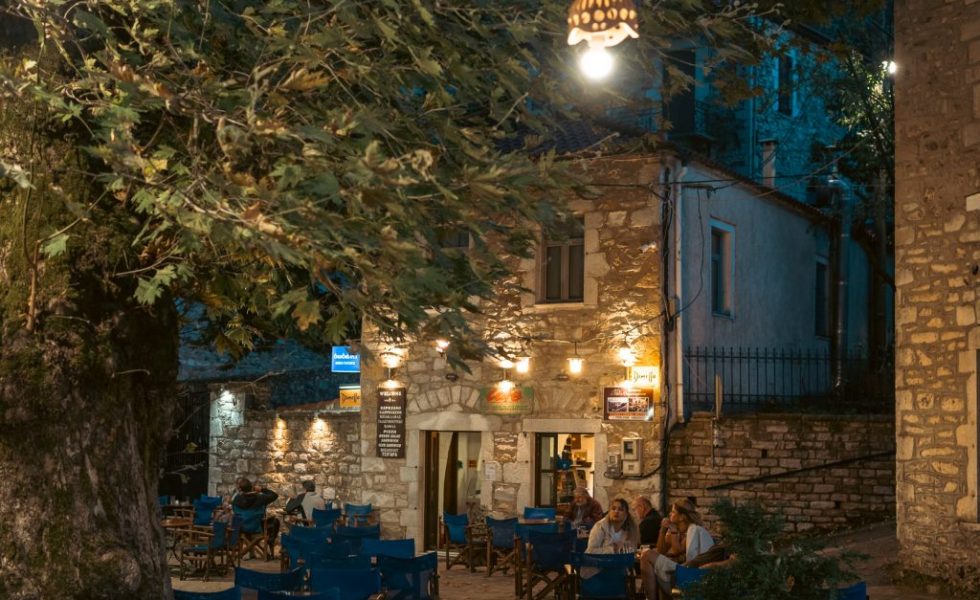
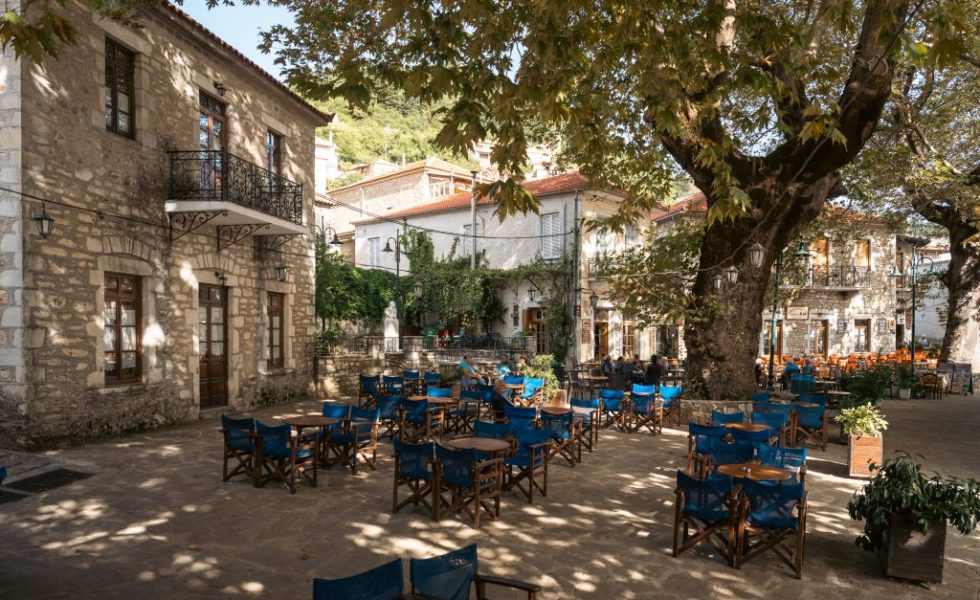
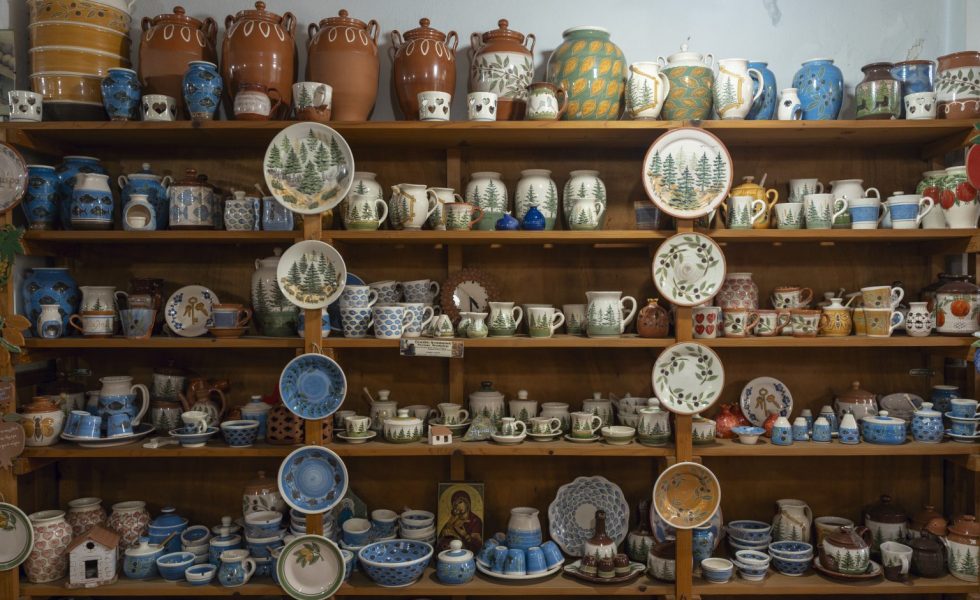
This beautiful village with its stone houses and tiled roofs is set in an idyllic mountain landscape 1,150m above sea level on the slopes of Mount Parnon. The village houses were made from local stone by the expert craftsmen builders from Lagadia and Kosmas. The central square of the village, is covered with spectacular plane trees (planted in 1883), with picturesque cafes and taverns and magnificent views. In the center lies the beautiful church Agioi Anargyroi. Behind the sanctuary of the church there are three beautiful fountains which are constantly pouring their water.
In the area which is now known as Kosmas was the ancient city of Selinous, which had a temple of Apollo. Kosmas was first mentioned in 1592 in a letter of Gennadios, metropolitan of Monemvasia. Many inhabitants of Kosmas participated in the Greek War of Independence. The village suffered destruction during World War II and the Greek Civil War (1946-1949). The people of Kosmas, with their courage and perseverance, were pioneers in Greece in constructing the “Argalios” weirs, using reeds as the traditional material. A piece of history and tradition overflowing with their creativity and craftsmanship.
Elonas Monastery
Day 4
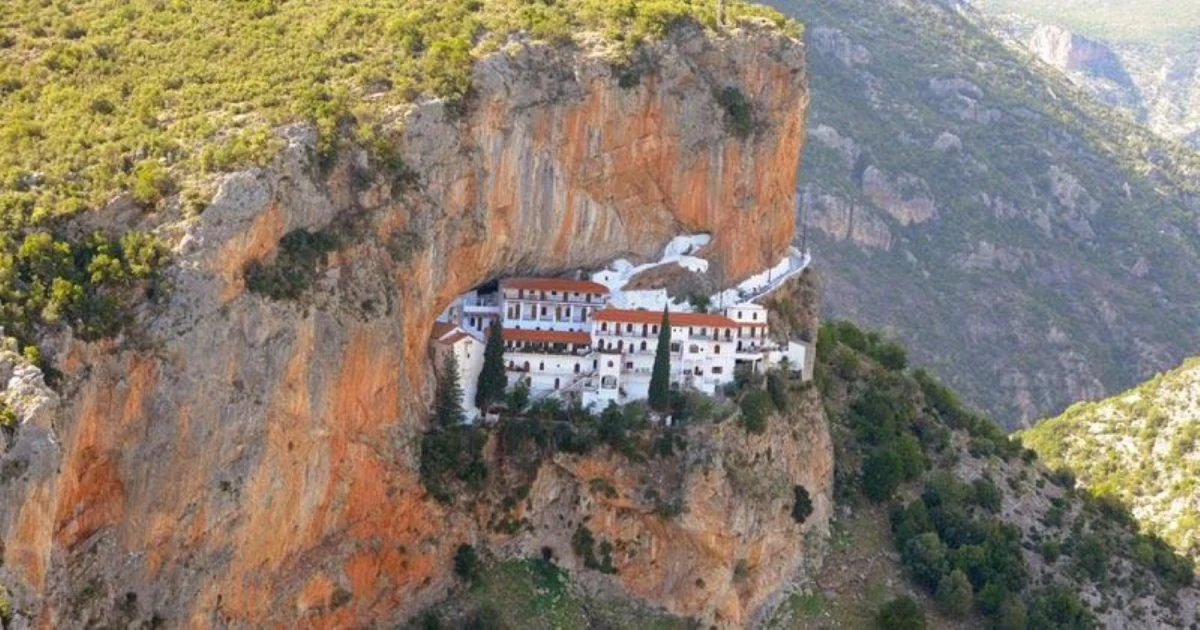
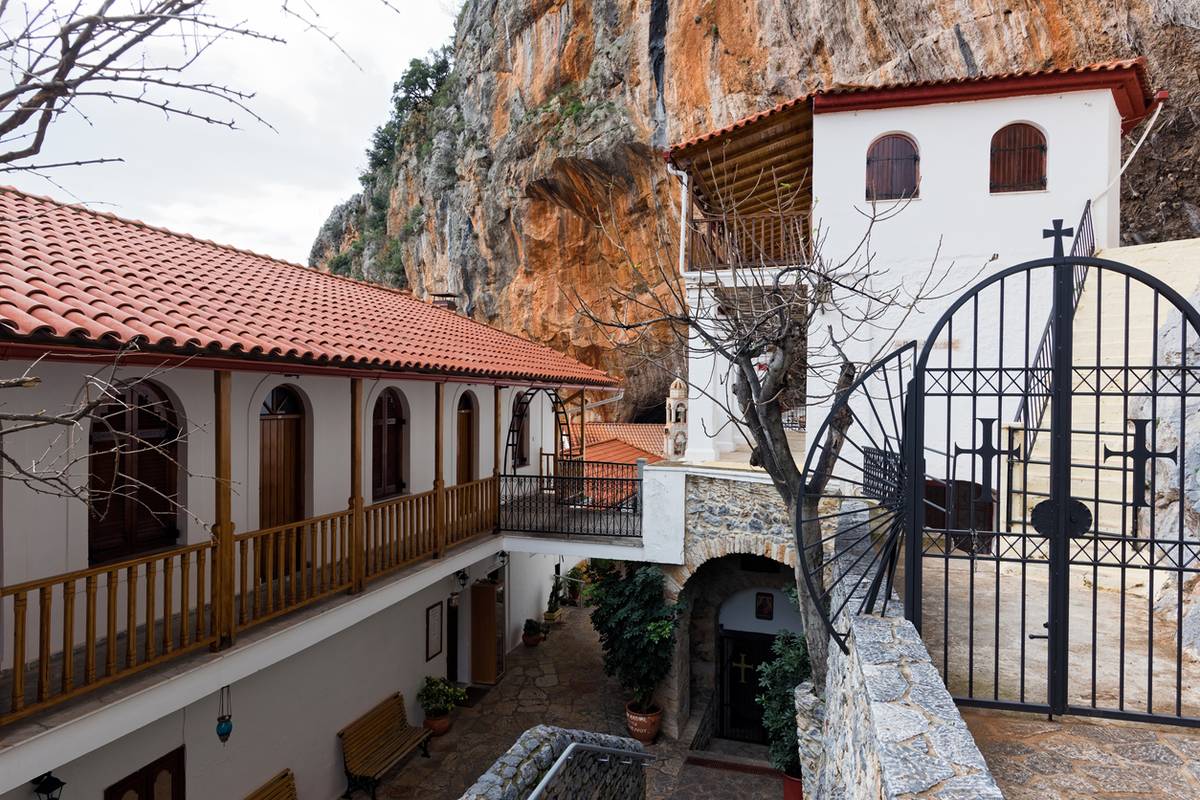
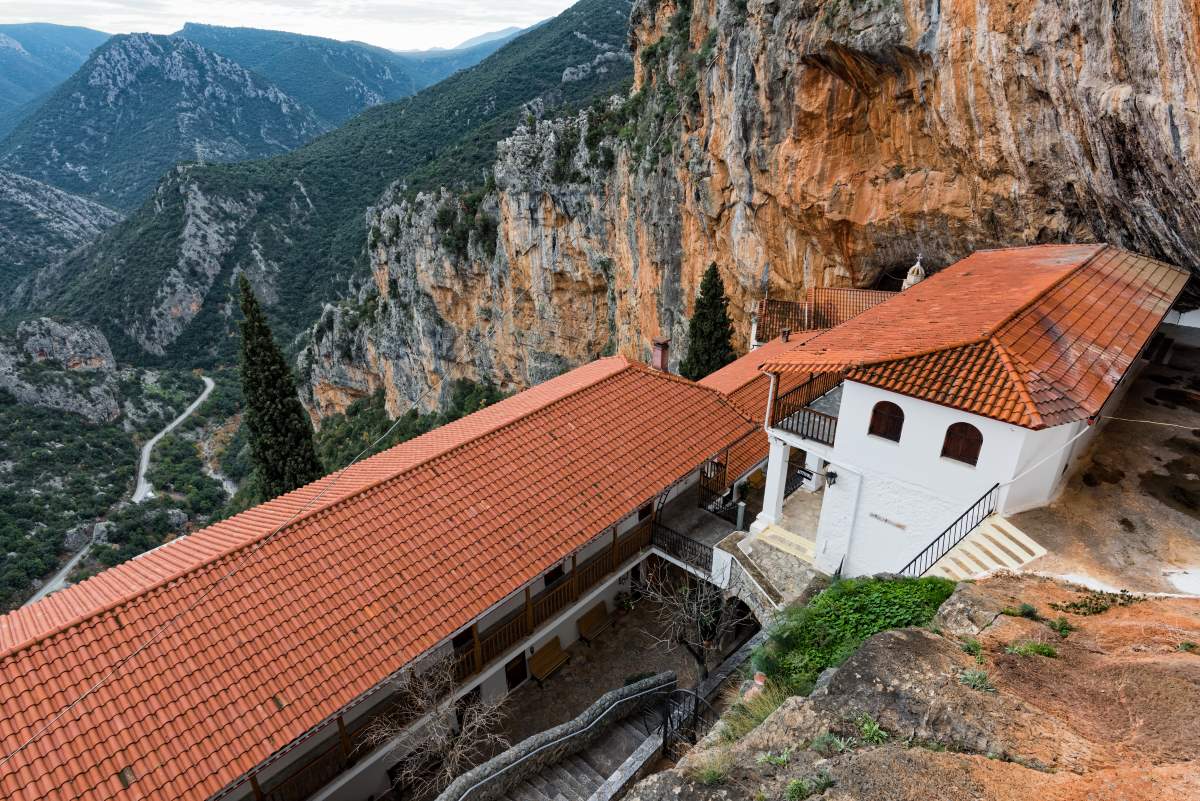
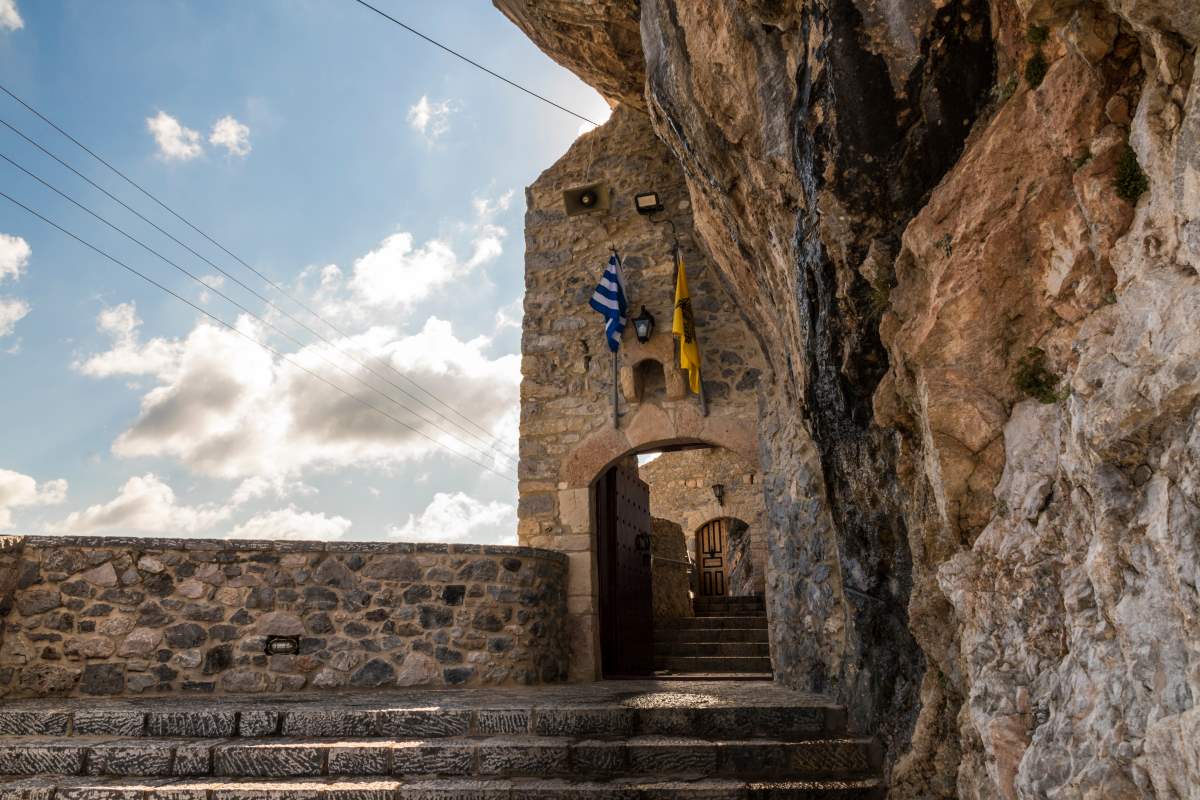
The monastery is near Leonidio and is built into a steep cliff on the slopes of Mount Parnon. The whole area is part of the Natura 2000 network, featuring rivers, gorges, mountains and lakes. The monastery is an important pilgrimage site as the icon of the Virgin Mary is considered to have performed miracles. Scholars say that it dates to the
16th century, although other sources say it was founded in 1300. The main church dates from 1809 and has a 19th century wood-carved iconostasis.
The buildings suffered considerable damage during the Turkish occupation, and were destroyed in 1770. However, the monastery was rebuilt and played an important role in the 1821 Greek War of Independence. It is an important pilgrimage site, as the icon of the Virgin Mary is considered to have performed miracles and thousands of believers from Kynouria and other regions gather at the monastery for the great feast of the Virgin Mary on the fifteenth of August. There are also celebrations and religious events in Leonidio on November 21 to mark the Assumption of the Virgin Mary.
The Elonas Monastery is within the 70,000 hectares which were included in the Natura 2000 network in 2016. It is mostly limestone rocky ecosystems, with Kefalonian Firs growing on the highest points. The Dafnonas river ravine runs below the monastery through some beautiful countryside and is a lovely place to go walking. It is also an important habitat for birds and has many species of endemic plants -several of which are rare.
Leonidio
Day 4
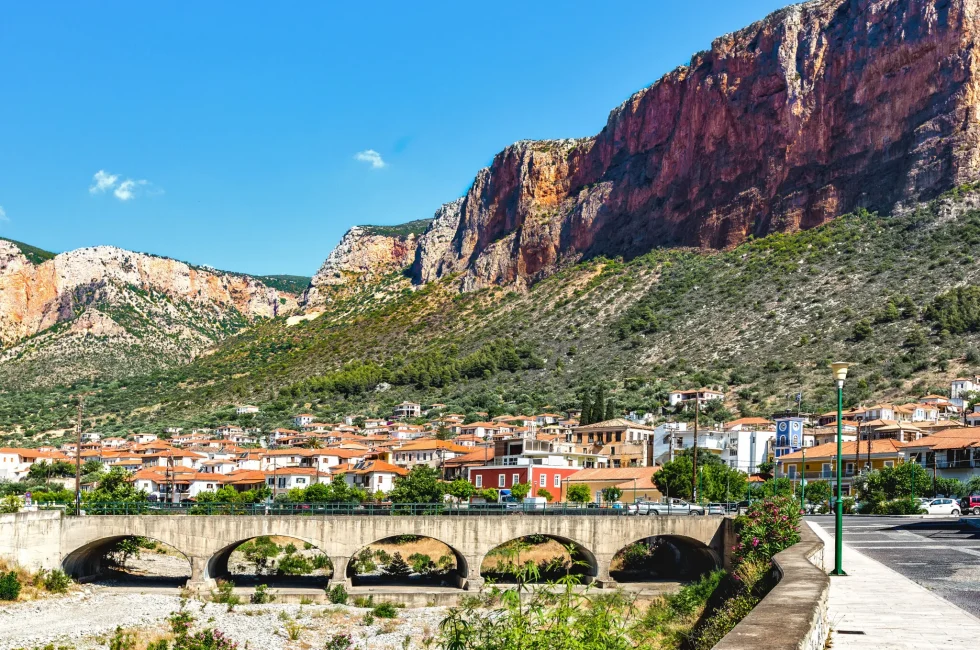
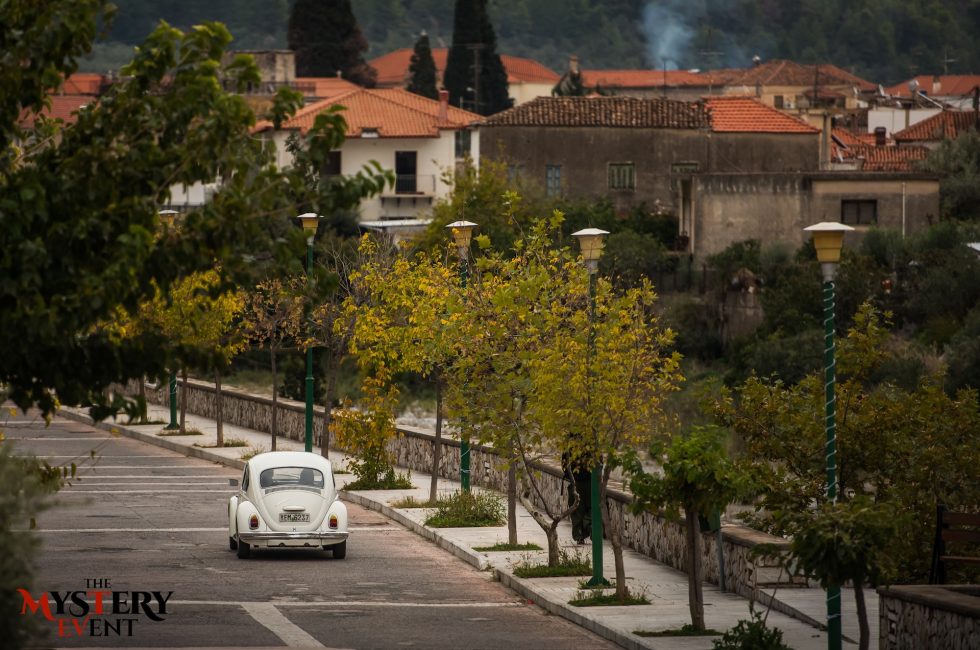
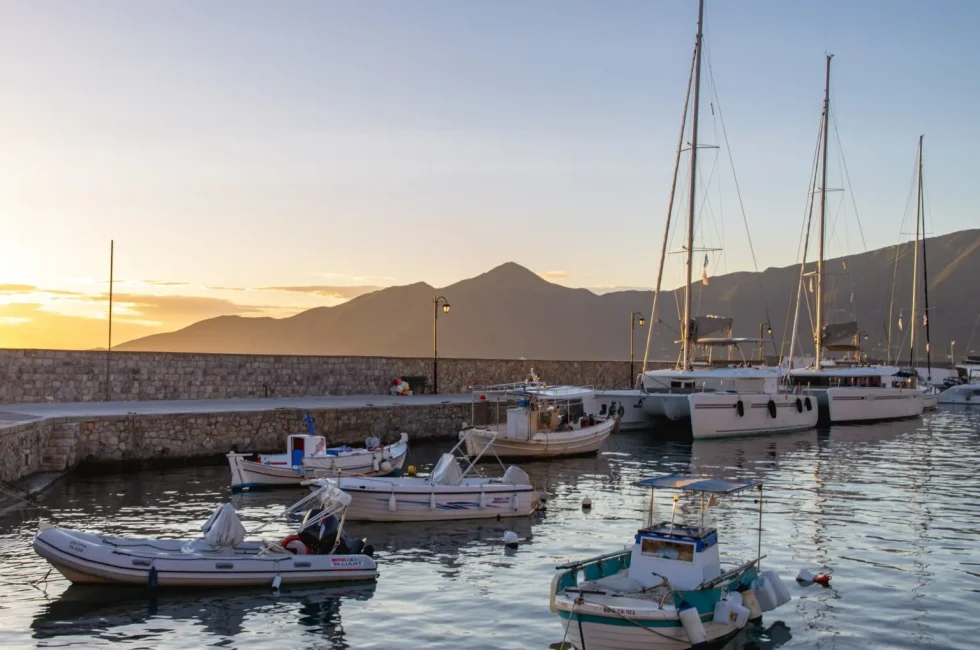
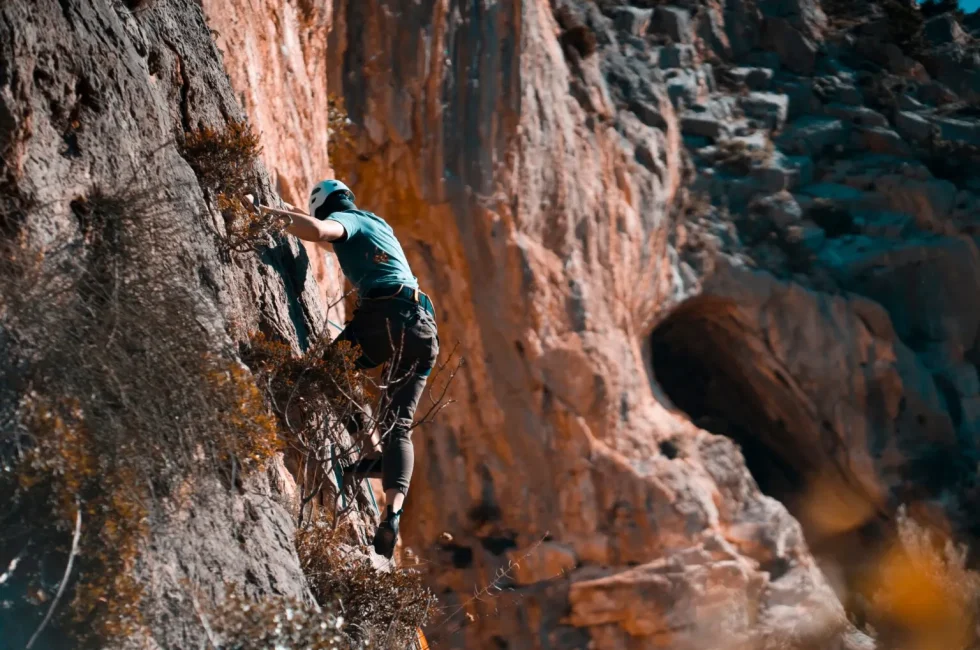
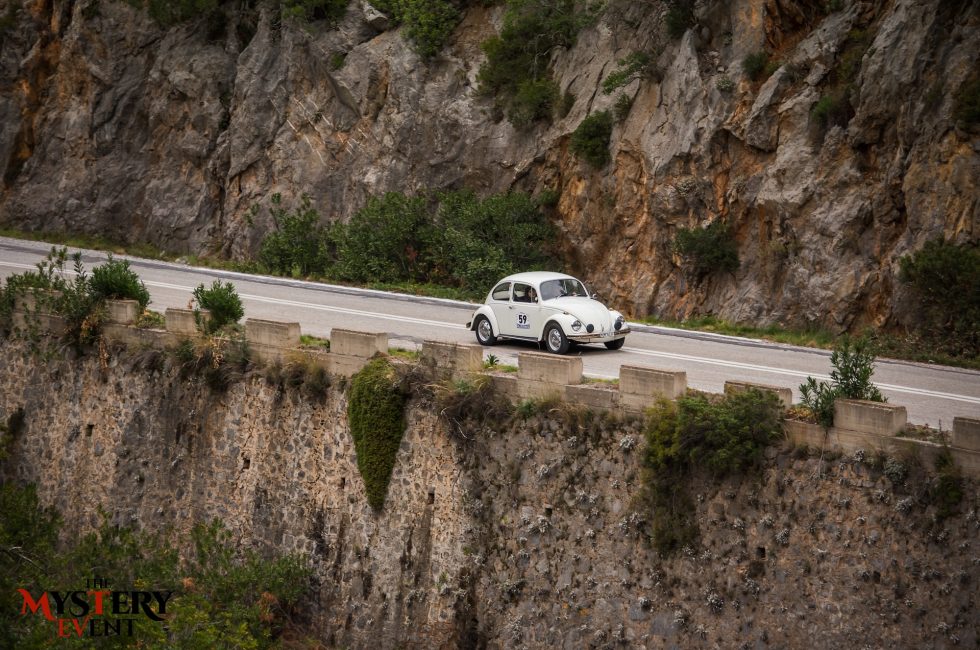
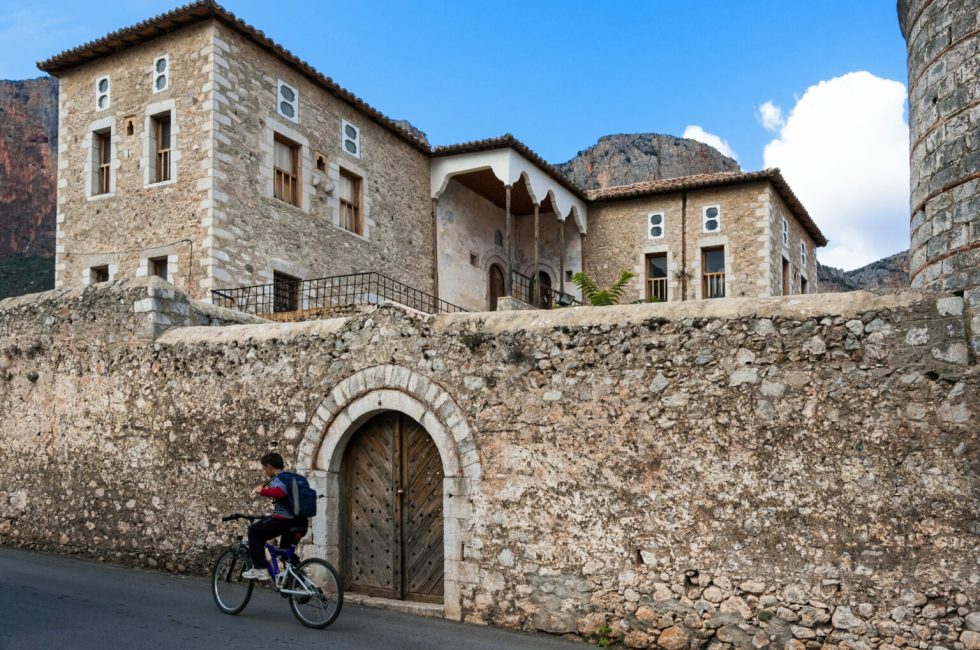
Leonidio is a town and a former municipality in Arcadia. It is considered a traditional settlement. In the local Tsakonian language, the only surviving descendant of Doric Greek, the town is called Agie Lidi.
The town of Leonidio emerges from a spectacular landscape, bound by two abrupt mountainsides enclosing the town from the north and south. The River Dafnon passes through the town, and its banks are linked with three bridges. The town is capital of the Tsakonia region, notable for its cultural and linguistic particularities, and the settlement itself offers striking and picturesque architecture; now a protected architectural site, there are very strict regulations for building within the town’s limits. The Leonidio municipality is home to a number of stunning geological formations, such as the Peleta Sinkhole, and the Propantes pothole (a vertical cave).
Leonidio town itself, however, is to be found on the area’s plain, which proves fertile and very important for the local economy, with its high level of agricultural employment. Apart from citrus fruit, pears, tomatoes and olives, the area’s most famous and widely distributed product is the Tsakonian eggplant, characteristic in its sweet taste, and acknowledged and protected by the European Union. Three old windmills overlook the town.
Tyros
Day 4
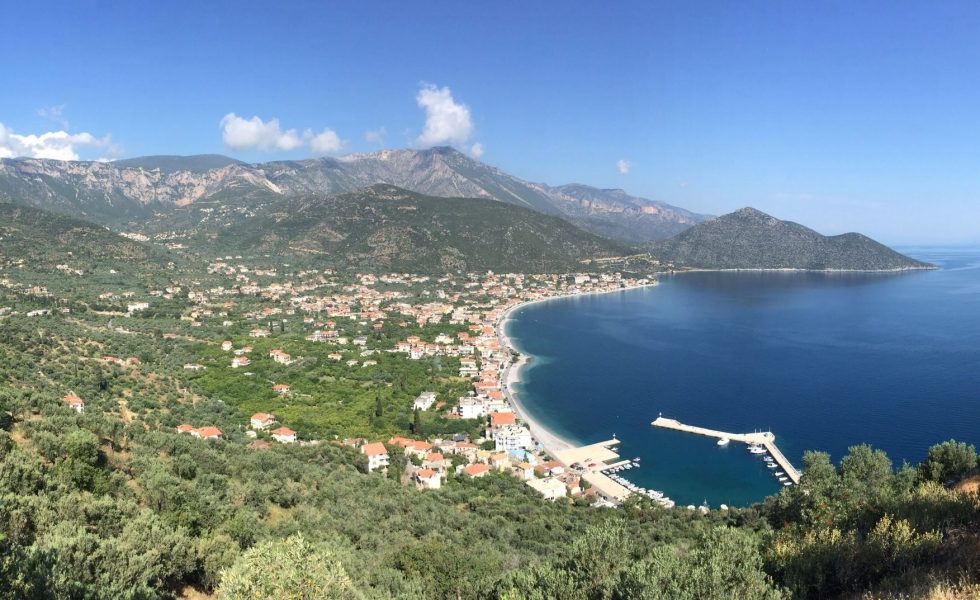
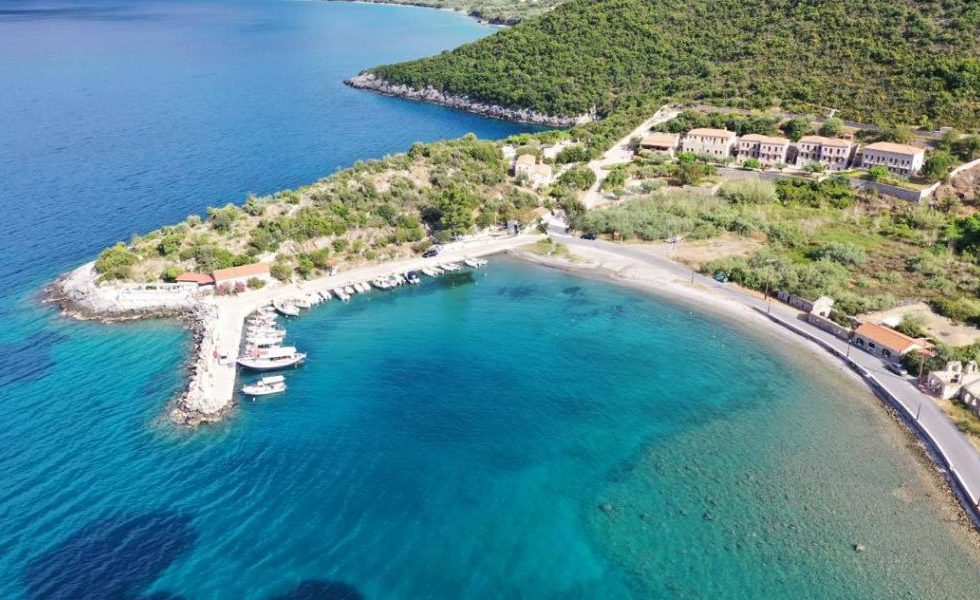
Tyros is a tourist and old naval town in Arcadia, lying in the heart of Kynouria, between the Parnon mountains and the Myrtoan Sea. It is considered a traditional settlement. In the region, the Tsakonian language used to be spoken. It originates from the ancient Doric dialect and is nowadays in danger of becoming extinct.
In Tyros, every Easter one of the most famous Greek traditions takes place. On Good Friday a procession of the Epitaphios is held on the coastal road of the town. On Easter Saturday evening a ceremonial burning of an effigy of Judas by the sea is organized and the harbour bay of the town is filled with hundreds of small hot air balloons that symbolize the souls of lost sailors and fishermen of Tyros, and which are sent into the sky, accompanied by fireworks lit throughout the bay.
Nafplio
Day 4
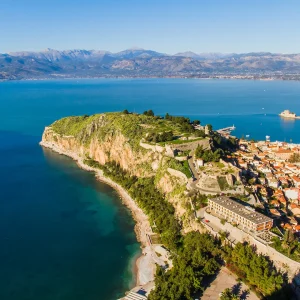
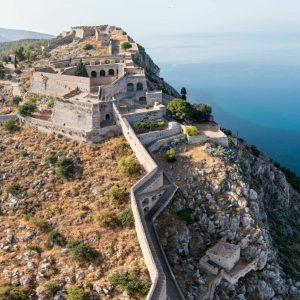
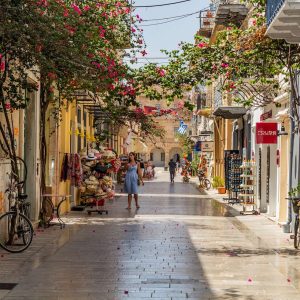
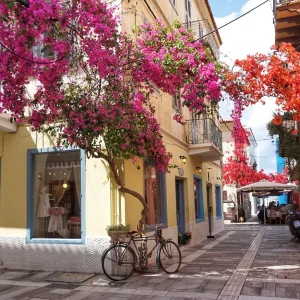
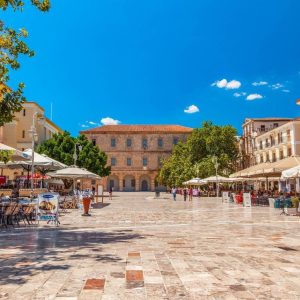
Nafplio or Nafplion is a coastal city. It is the capital of the regional unit of Argolis and an important tourist destination. Founded in antiquity, the city became an important seaport in the Middle Ages during the Frankokratia as part of the lordship of Argos and Nauplia, held initially by the de la Roche following the Fourth Crusade before coming under the Republic of Venice and, lastly, the Ottoman Empire. It later served as the first official capital of the modern Greek state, from 1827 to 1834.
The area surrounding Nafplio has been inhabited since ancient times, but few signs of this, aside from the walls of the Acronauplia, remain visible. The town has been a stronghold on several occasions during Classical Antiquity. It seems to be mentioned on an Egyptian funerary inscription.
Nauplia was the port of Argos, in ancient Argolis. It was situated upon a rocky peninsula, connected with the mainland by a narrow isthmus. It was a very ancient place, and is said to have derived its name from Nauplius, the son of Poseidon and Amymone, and the father of Palamedes, though it more probably owed its name, as Strabo has observed, to its harbour.
The Acronauplia has walls dating from pre-classical times. Subsequently, Byzantines, Franks, Venetians, and Turks added to the fortifications. In the Middle Ages, Nauplia was called τὸ Ναύπλιον, τὸ Ἀνάπλιον, or τὰ Ἀνάπλια. It became a place of considerable importance, and has continued so down to the present day. In the time of the Crusades it first emerges from obscurity. Nafplio was taken in 1212 by French Crusaders of the Principality of Achaea. It became part of the lordship of Argos and Nauplia, which in 1388 was sold to the Republic of Venice, who regarded it as one of their most important places in the Levant. During the subsequent 150 years, the lower city was expanded and fortified, and new fortifications added to Acronauplia.
Under Venetian rule, the city twice repelled Ottoman attacks and sieges, first by Mehmed the Conqueror during the Ottoman–Venetian War (1463–1479) and then by Suleiman the Magnificent. The city surrendered to the Ottomans in 1540, who renamed it Mora Yenişehri and established it as the seat of a sanjak.
The Venetians retook Nafplio in 1685 and made it the capital of their “Kingdom of the Morea“. The city was strengthened by building the castle of Palamidi, which was in fact the last major construction of the Venetian empire overseas. However, only 80 soldiers were assigned to defend the city and it was easily retaken by the Ottomans in 1715. Palamidi is located on a hill north of the old town. During the Greek War of Independence, it played a major role. It was captured by forces of Staikopoulos and Kolokotronis in November 1822.
During the Greek War of Independence, Nafplio was a major Ottoman stronghold and was besieged for more than a year. The town finally surrendered on account of forced starvation. After its capture, because of its strong fortifications, it became the seat of the provisional government of Greece.
Count Ioannis Kapodistrias, first head of state of newly liberated Greece, set foot on the Greek mainland for the first time in Nafplio on 7 January 1828 and made it the official capital of Greece in 1829. He was assassinated on 9 October 1831 by members of the Mavromichalis family, on the steps of the church of Saint Spyridon in Nafplio. After his assassination, a period of anarchy followed, until the arrival of King Otto and the establishment of the new Kingdom of Greece. Nafplio remained the capital of the kingdom until 1834, when King Otto decided to move the capital to Athens.
Essential Castles and Citadels
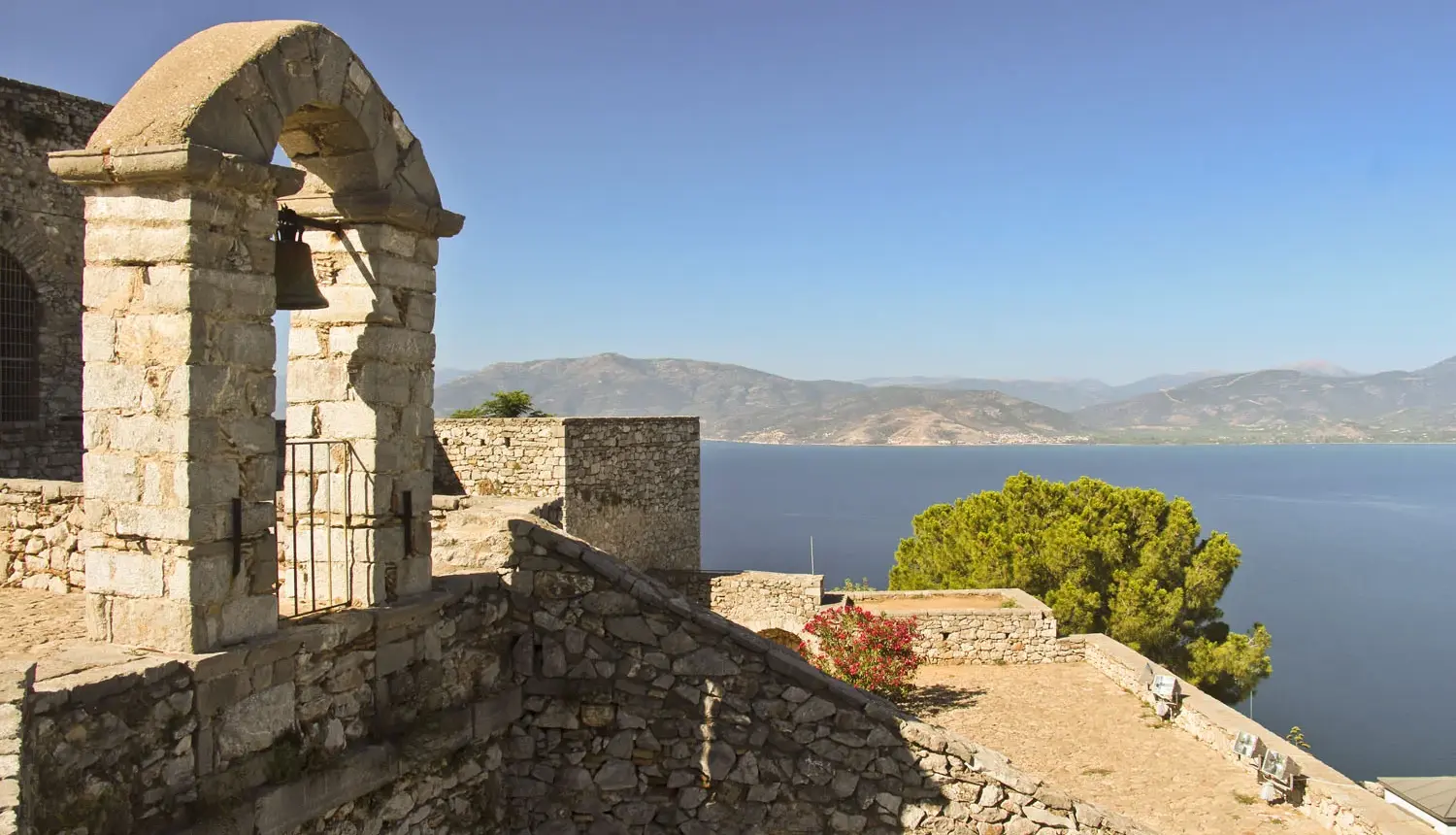
Palamidi
Palamidi is a fortress to the east of the Acronauplia. Nestled on the crest of a 216 meters (709 ft) hill, the fortress was built by the Venetians during their second occupation of the area (1686–1715).
The fortress was a very large and ambitious project, but was finished within a relatively short period from 1711 to 1714. It is a typical baroque fortress based on the plans of Venetian engineer and oltramarini officer Antonio Giancix (Antun Jančić) and built by French military engineer Pierre de la Salle. In 1715, it was captured by the Ottomans and remained under their control until 1822, when it was captured by the Greeks at the Siege of Nauplia (1822).
The eight bastions of the fortress were originally named after the Venetian provveditori, but when it fell to the Ottoman Empire, the bastions were given Turkish names. Lastly, when the Greeks overthrew the Turks, the bastions were renamed after ancient Greek leaders and heroes – Epaminondas, Miltiades, Leonidas, Phocion, Achilles, and Themistocles. The two remaining bastions were named after St. Andrew (Agios Andreas) and French Philhellene Robert, who died in battle on the Acropolis of Athens. The Miltiades bastion was used as a prison and among its walls was also held Theodoros Kolokotronis, hero of the Greek Revolution.
Bourtzi Castle
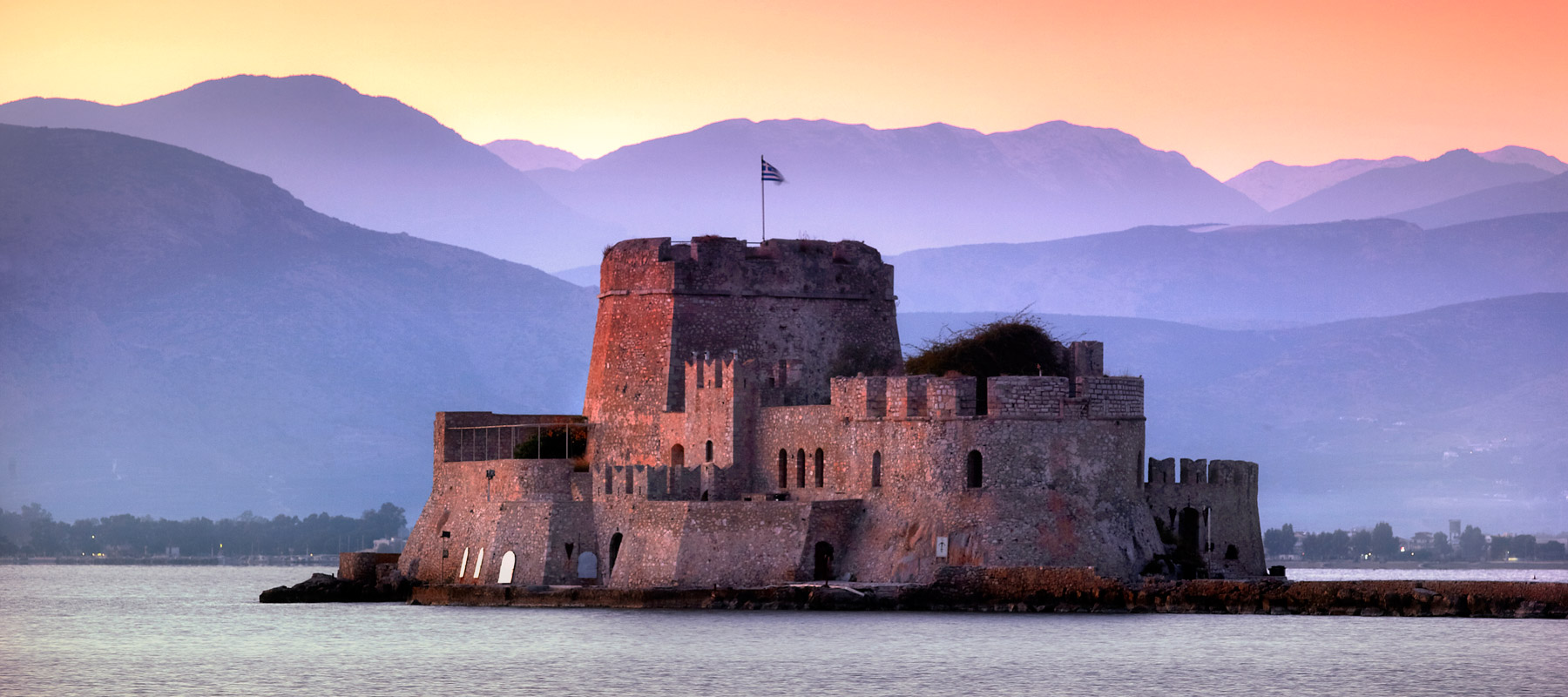
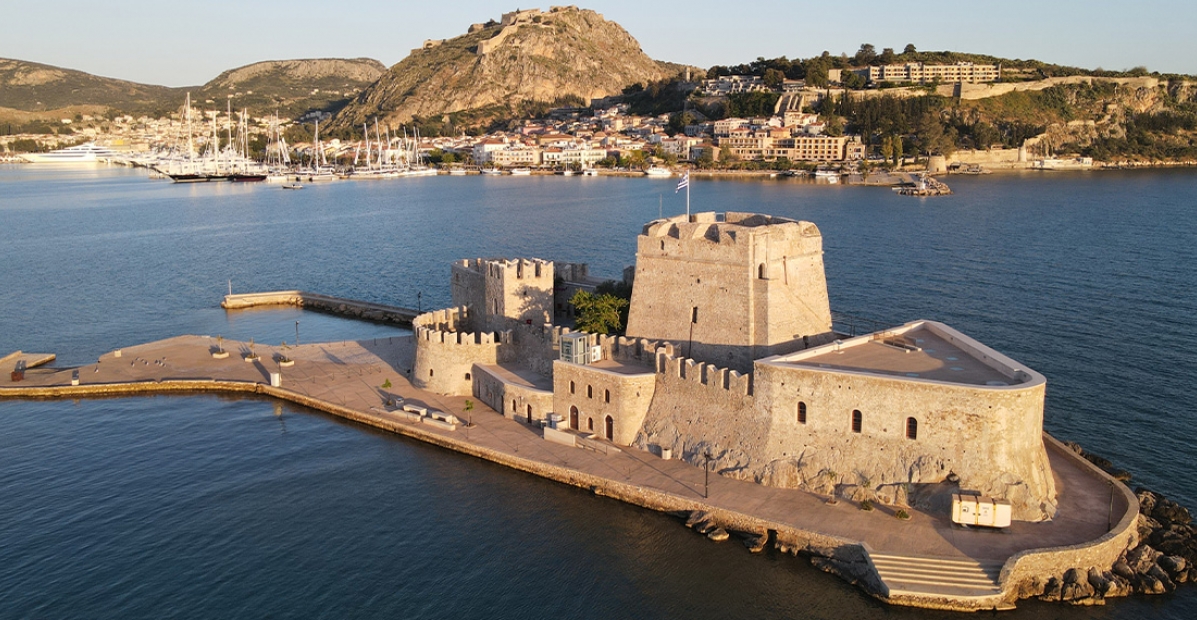
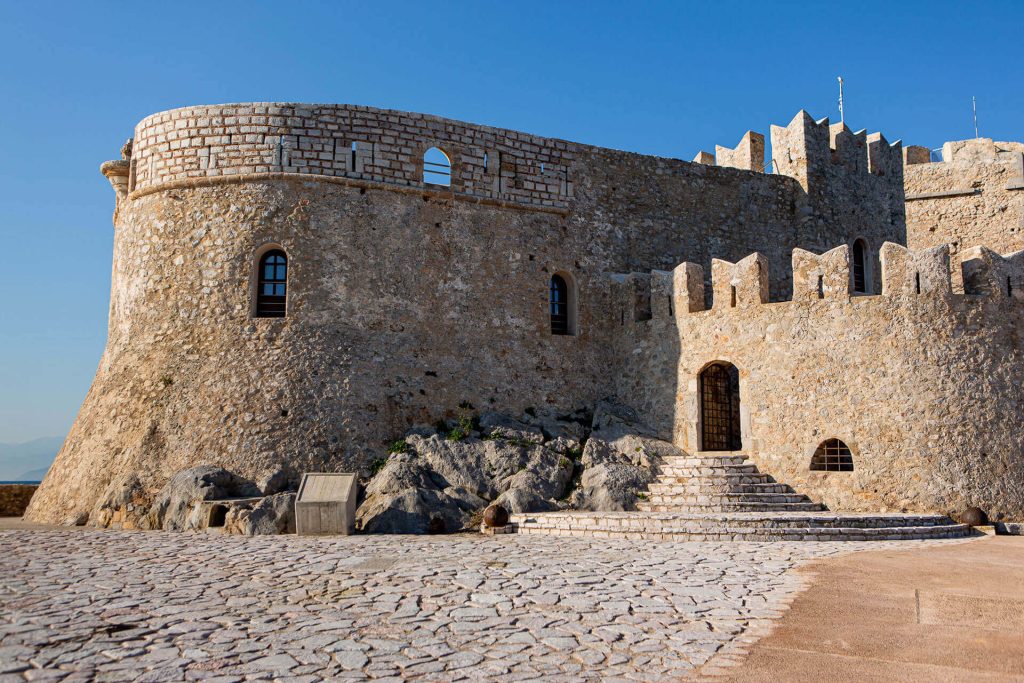
The water castle of Bourtzi is a Venetian castle located in the middle of the harbour of Nafplio. It was built by Antonio Gambello, an Italian architect from Bergamo in 1471, although the construction was completed by the engineer Brancaleone.
This fortress was constructed by the Venetians after the departure of Mahmut Pasha and equipped with cannons. In 1502, the Venetians changed the fortifications on the southwest side into an independent rampart and erected an artificial mound of boulders to which they attached a chain. The chain was then connected to the city to prevent hostile ships from entering the harbour.
After the Treaty of Karlowitz (1699), the Venetians erected a sturdy tower and bastions with cannons on the islet, thus creating the well-known fortress that dominates the entrance to the port of Nafplio today .
During the Greek revolution of 1821, the castle was captured by 200 armed soldiers. The castle was then used to bombard Nafplion and managed to thwart the resupply of the besieged Turks from an English ship. During the Greek civil war (1823–1833), the Greek government was twice forced to take refuge in the castle. By order of the newly arrived King George I, the castle was disarmed in 1865 and became the residence of the city’s executioner and the location of for executing prisoners via guillotine.
Finally, with the creation of the Greek National Tourism Organisation, the castle was restored in the 1930s, and was transformed into one of the first tourist centers in Greece. The castle then housed a hotel with 12 rooms and a restaurant that was mentioned in contemporary international travel guides. It operated continuously from the 1930s until the Greek junta took power and closed the hotel and restaurant.