
TDP 2006 - Day 2
Karytaina
Day 2
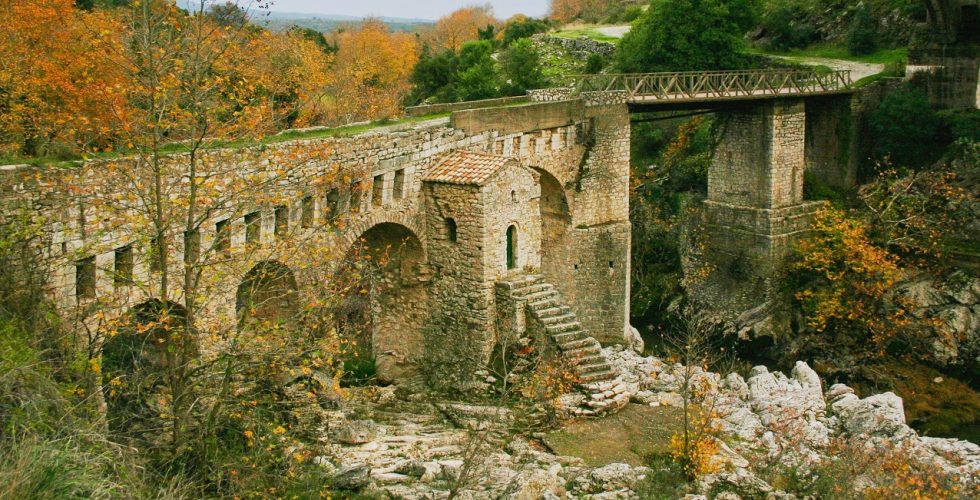
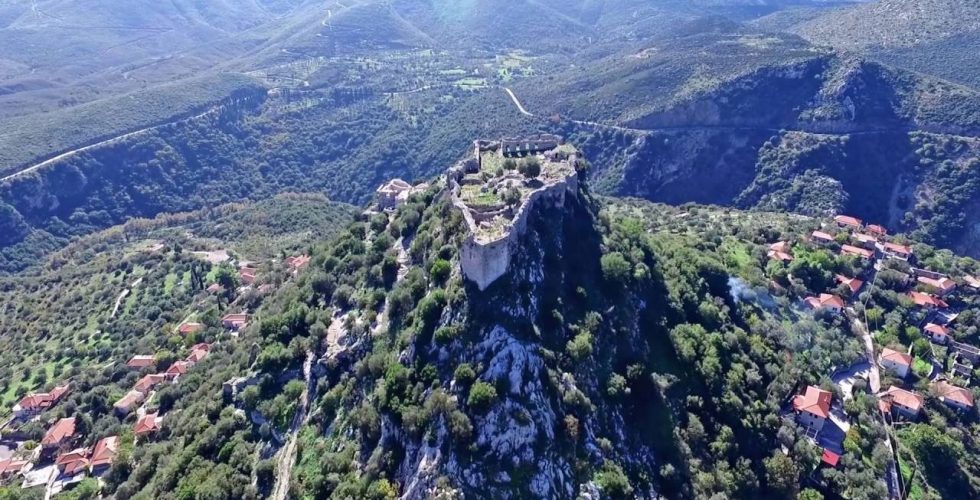
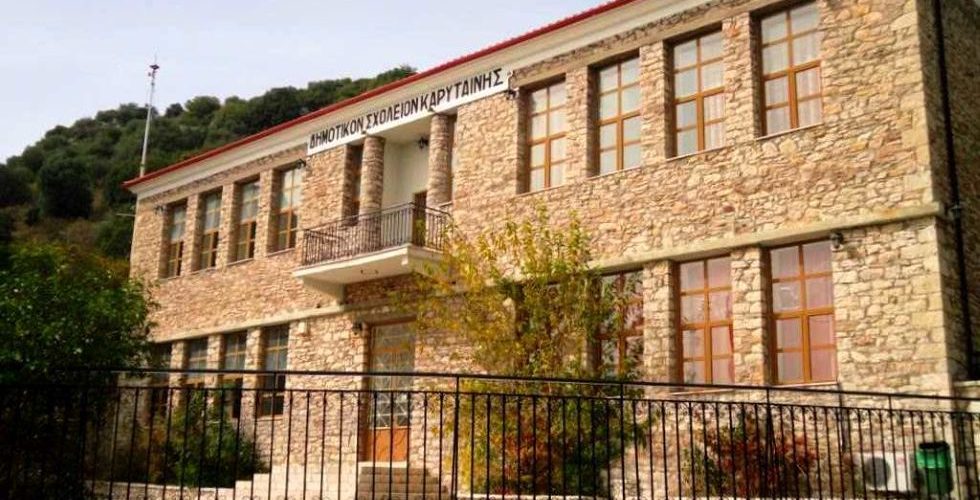
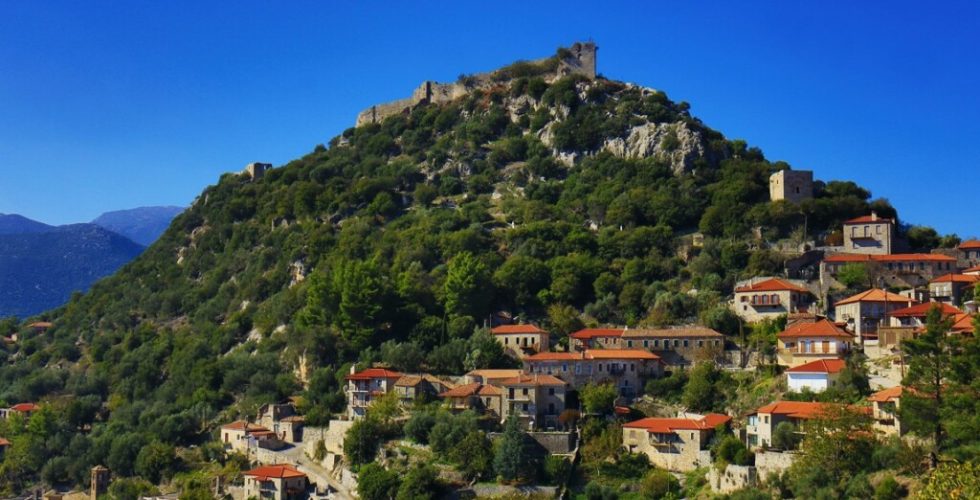
Karytaina or Karitaina is a village and a community in Arcadia, Greece. Karytaina is situated on a hill on the right bank of the river Alpheios, near its confluence with the Lousios.
The village dates back to the Middle Ages, but its history is unknown before the Crusader conquest ca. 1205. Karytaina became the seat of a barony under the Frankish Principality of Achaea, and the Castle of Karytaina was built in the mid-13th century on a steep rocky outcrop by Baron Geoffrey of Briel.
The area returned to Byzantine control in 1320, and came under Ottoman control in 1460. After a brief period of Venetian rule (1687–1715), Karytaina returned to Ottoman control, and prospered as an administrative and commercial centre. Karytaina and its inhabitants were among the first to rise up during the Greek War of Independence of 1821–29. Today Karytaina is a protected traditional settlement and has, alongside the remains of its Frankish castle, several other medieval and Ottoman monuments.
Ancient Messini
Day 2
Ancient Messene, is a local community within the regional unit of Messenia in the region of Peloponnese. It is best known for the ruins of the large classical city-state of Ancient Messene. The site was founded in the Bronze Age as Ithome, an ancient city originally of Achaean Greeks which eventually came under the hegemony of the military state of Sparta with which it had a long struggle.
During the latter period many inhabitants went into exile, and eventually it was destroyed by the Spartans and abandoned for some time. After the defeat of the Spartans at the Battle of Leuctra (371 BC), the Thebans invaded the Peloponnese and Epaminondas built the new city of Messene on the site in 369 BC over the ruins of Ithome and invited the return of the previous inhabitants and their descendants.
The substantial ruins are a major historical attraction. Much has been archaeologically excavated and partly restored or preserved for study and public viewing, as well as for various events. The most substantial restored remains date from the Hellenistic and Roman times. The city of Messene flourished also in the postclassical times and a settlement at the site continued until modern times. Late Roman Messene suffered much after the major AD 365 Crete earthquake that hit hard also the entire SW Peloponnese. From the beginning of the 5th century AD Messene is being reconstructed as a Christian city and the seat of a local bishop. It will be in the so called Byzantine “Dark-Ages” during the 7th and 8th centuries that the city once again experienced a deep crisis with the settlement of new populations in the region, probably of Slavic origin. In Middle Byzantine times, after the 10th century, the now called village or township of Voulcano experiences new growth with rich material remains.
The village of Voulcano/Messene continues through the Late Medieval/Frankish and Ottoman periods until Early Modern times when the village changes name again into Mavromati, that still occupies what was the upper city around the ancient fountain identified as Klepsydra.
Archaeology
Excavation of the site began on April 10, 1829, with the French scientific commission of the Morea Expedition, under the direction of Guillaume-Abel Blouet, at the end of the Greek War of Independence. Systematic excavation of the site was first undertaken by Themistoklis Sofoulis of the Athens Archaeological Society in 1895. Since then a number of noted archaeologists have made contributions, such as George Oikonomos, Anastasios Orlandos and Petros Themelis (in 1986). A museum of their extensive finds has been constructed within the old city walls. This site was awarded a European Union Prize for Cultural Heritage / Europa Nostra Award in 2011.
Pylos
Day 2
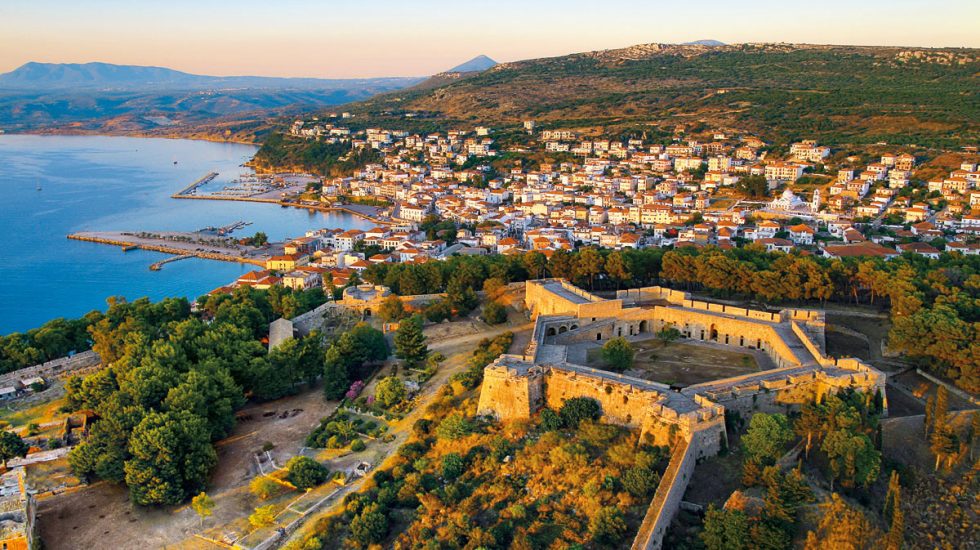
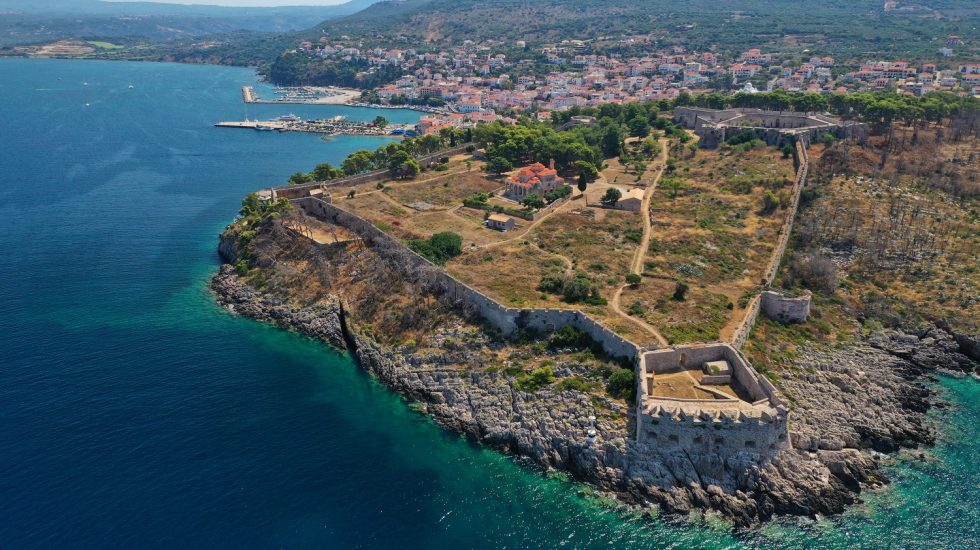
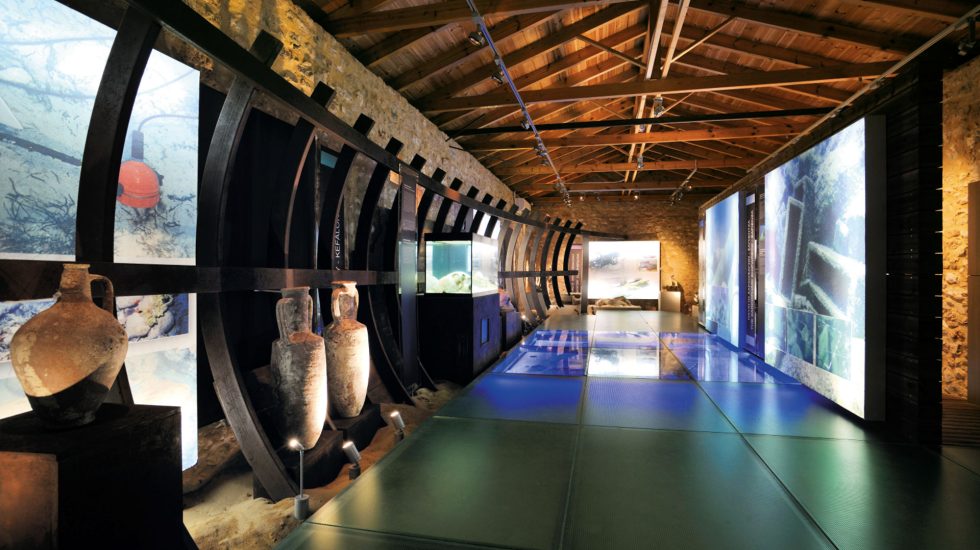
Pylos, historically also known as Navarino, is a town and a former in Messenia, Peloponnese. Pylos has been inhabited since Neolithic times. It was a significant kingdom in Mycenaean Greece, with the remains of the so- called “Palace of Nestor” excavated nearby, named after Nestor, the king of Pylos in Homer‘s Iliad. In Classical times, the site was uninhabited, but became the site of the Battle of Pylos in 425 BC, during the Peloponnesian War.
After that, Pylos is scarcely mentioned until the 13th century, when it became part of the Frankish Principality of Achaea. Increasingly known by its French name of Port-de-Jonc or its Italian name Navarino, in the 1280s the Franks built the Old Navarino castle on the site. Pylos came under the control of the Republic of Venice from 1417 until 1500, when it was conquered by the Ottoman Empire.
The Ottomans used Pylos and its bay as a naval base, and built the New Navarino fortress there. The area remained under Ottoman control, with the exception of a brief period of renewed Venetian rule from 1685–1715 and a Russian occupation from 1770–71, until the outbreak of the Greek War of Independence in 1821. Ibrahim Pasha of Egypt recovered it for the Ottomans in 1825, but the defeat of the Turco-Egyptian fleet in the 1827 Battle of Navarino and the French military intervention of the 1828 Morea expedition forced Ibrahim to withdraw from the Peloponnese and confirmed Greek independence.
The current city was built outside the fortress walls by the military engineers of the Morea expedition from 1829 and the name Pylos was revived by royal decree in 1833.