TDP 2006 - Sunday 4.Oct
Ancient Elis
Day 0
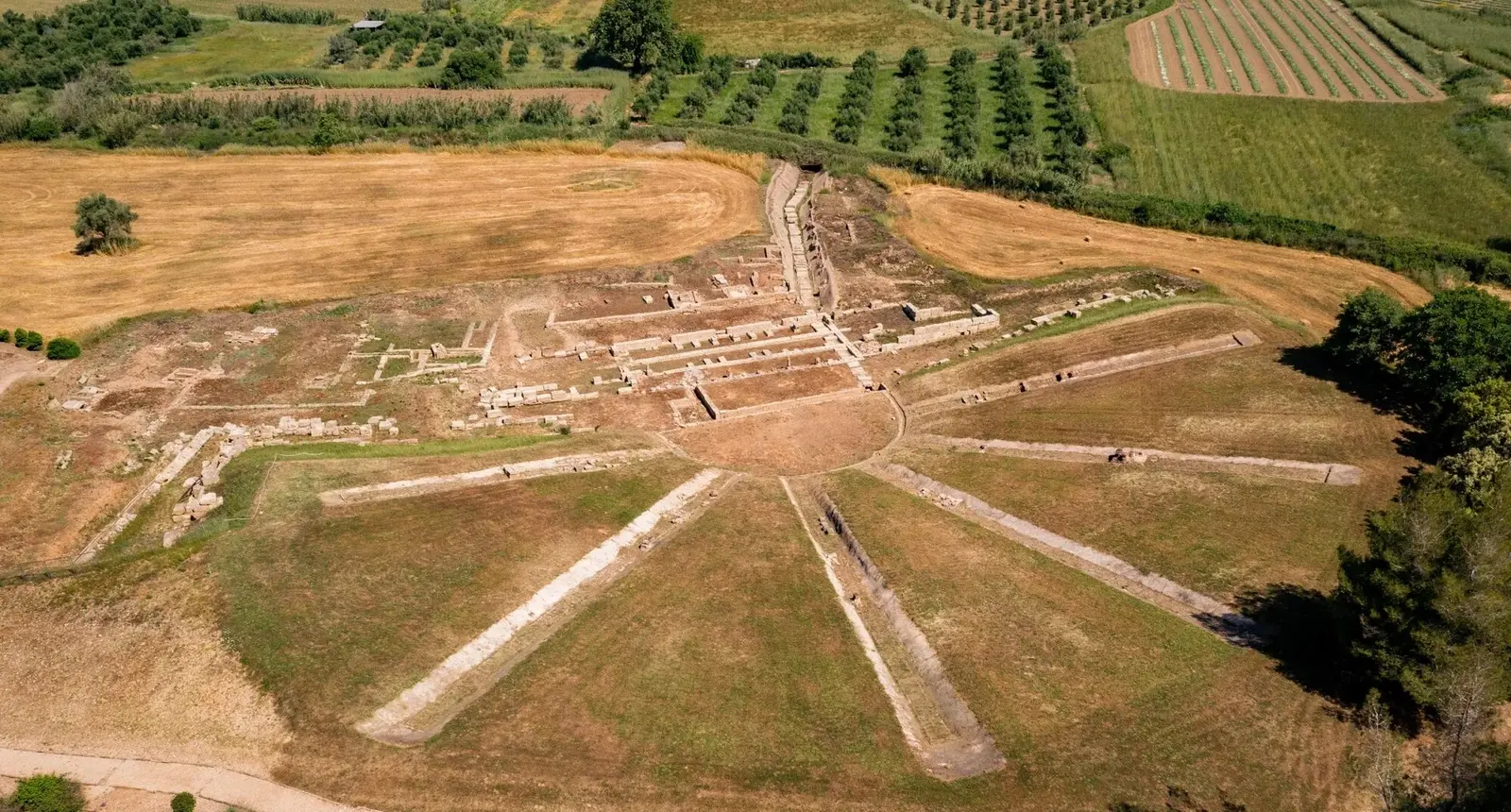
Ancient Elis (Αρχαία Ήλιδα) was the capital city of the ancient territory of Elea and the official host and administrator of the ancient Olympic Games.
Located in the northwest Peloponnese on the banks of the Pineios River, it served as the mandatory training ground where athletes from all over the Hellenic world had to reside and train for at least a month before competing in nearby Olympia.
Today, it is a fascinating, uncrowded archaeological site that provides a peaceful alternative to its famous neighbor, Olympia.
Key Highlights of the Archaeological Site
- The Ancient Theatre: The sites most distinctive monument features a characteristic earthen hollow (cavea) and a well-preserved stone stage building.
- The Agora: The heart of ancient public life, containing the ruins of the Bouleuterion (citizens council house), ancient gymnasiums where athletes trained, and expansive porticoes (stoas).
- Residential & Roman Quarters: Dense residential blocks, ancient baths, and an impressive
concentration of kilns that showcase the daily commercial life of the city, which thrived heavily during the Early Roman period. - The Acropolis: Situated on the hill to the east of the city, it was the only fortified part of this otherwise sacred, wall-free city.
The Archaeological Museum of Ancient Elis
Housed in a beautifully designed stone building, the Archaeological Museum of Ancient Elis displays findings spanning from the Paleolithic era to late antiquity. Notable exhibits include a striking marble statue of Hermes (evoking the style of Praxiteles) and an internal courtyard
featuring a beautiful mosaic floor depicting the Labors of Hercules and symbols of the Muses.
https://olympianland.gr/en/listing/archaeological-museum-ancient-elis
Kourouta
Day 0
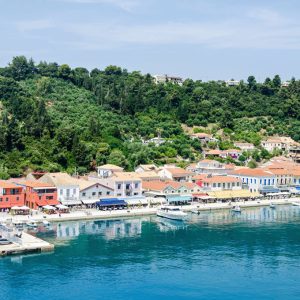
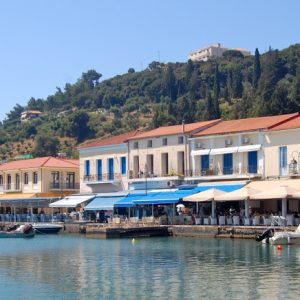
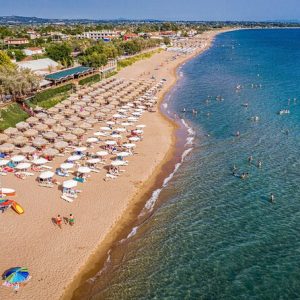
Kourouta beach is just 3 kilometers from the second largest city of Ilia Prefecture, Amaliada. Apart from the crystal clear sea which is awarded the Blue Flag every year, it offers the visitor a variety of options for accommodation and entertainment. The countless cafes, bars, clubs, restaurants, fish taverns, hotels, rooms to let and campsites at both Kouroutas Beach and the nearby Palouki fishing shelter make your stay in the area as relaxing and enjoyable as possible.
History
The settlement of Kourouta has a fascinating history that began in the late 19th century after the Greek War of Independence. During this period, agriculture and trade thrived, with raisins being a particularly popular product. The exportation of local goods to Europe played a significant role in the city’s development. Notably, Kourouta became known for its large raisin factory, which was constructed by the sea in 1911. Although the exportation through Illia’s harbors gradually declined, the area continued to prosper by capitalizing on its natural beauty. The long beach with its crystal-clear water and breathtaking sunsets attracts an increasing number of travelers each year. As a result, numerous tourist investments have been made, creating a cosmopolitan atmosphere in the region.
Places to visit
Kourouta serves as an exceptional starting point for exploring remarkable Byzantine monuments, significant archaeological sites, and popular summer destinations. Here are some must-visit places in the area:
- The Monastery of Fragavillas, located approximately 6.5 kilometers from Kourouta, is one of the most important monasteries in Illia. It dates back to the Middle Byzantine period and offers a glimpse into the region’s rich history.
- Panagia Katholiki Church, an impressive Byzantine monument from the 12th century, is situated about 14 kilometers away from Kourouta and is well worth a visit.
- Ancient Ilida, one of the most important ancient cities in the Peloponnese, is only 24 kilometers from Kourouta. As the former capital of Illia and the host of the ancient Olympic Games, this site holds immense historical significance. Don’t miss the opportunity to explore the ancient theater, which now hosts notable theatrical festivals.
- Near the village of Kentro, close to Ancient Ilida, you’ll find the magnificent Pinios Dam. This dam, one of the largest in Europe, was completed in 1968. According to Greek mythology, Hercules diverted the flow of the Pinios and Alfios Rivers to clean the Augean Stables, a remarkable feat accomplished during his fifth labor.
- Heading north from Kourouta, you’ll encounter exceptional places to visit, featuring beautiful beaches and historical monuments. Arkoudi and Loutra Killinis offer pristine, crystal-clear waters for a memorable summer vacation. While in the village of Ligia, near Arkoudi, consider visiting the Agia Eleousa Monastery, a marvel of Byzantine architecture dating back to the 9th century.
- Further afield, you can explore Kyllini and the awe-inspiring Chlemoutsi Castle, which stands as a testament to the area’s rich history. Additionally, the Panagia Vlacherna Monastery, believed to have been built in the 13th century, offers a glimpse into the region’s cultural heritage.
- Ancient Olympia, the most important archaeological site in Illia County, is approximately 38 kilometers away from Kourouta. This is the legendary birthplace of the Ancient Olympic Games. Explore the sacred grounds where
athletes once competed and marvel at the incredible exhibits housed in the nearby Archaeological Museum. Among its treasures, you’ll find the renowned statue of Hermes by Praxiteles, a true masterpiece.