
TDP 2006 - Day 3
Methoni
Day 3
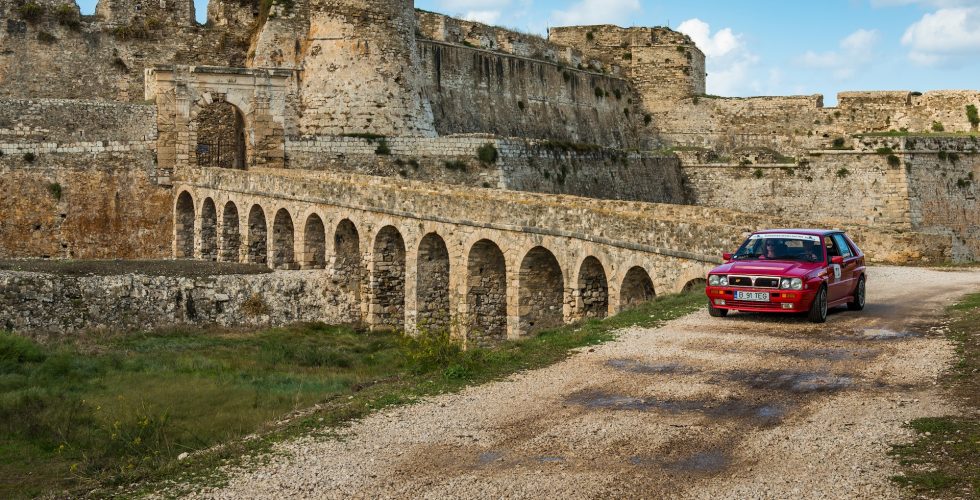
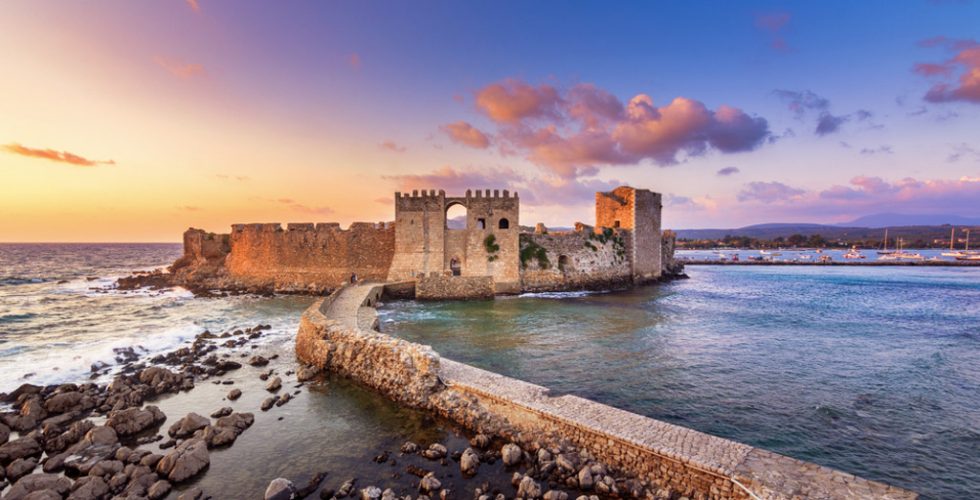
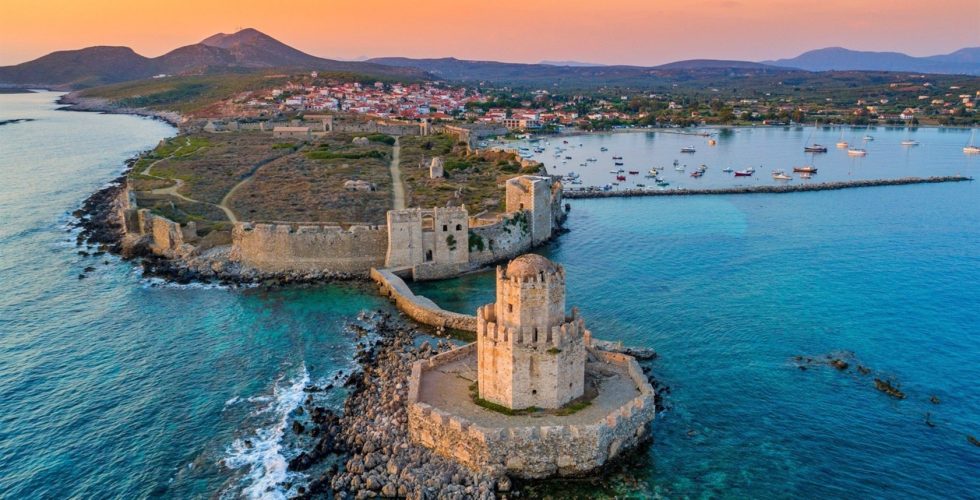
Methoni is a historic coastal town located on the southwestern tip of the Peloponnese in Messenia renowned for its traditional architecture, scenic coastline, and rich history. Methoni has been identified as the city of Pedasus, which Homer mentions under the name “ampeloessa” (of vine leaves).
Methoni Castle: This massive 13th-century Venetian fortress is one of the most important medieval fortifications in the Mediterranean. It is built on a rocky peninsula and features the iconic Bourtzi, a beautiful octagonal sea tower connected by a stone bridge.
https://www.instagram.com/reels/DGLnkEQsKP7/
Sapientza Island: Located just off the coast of Methoni, this pristine island belongs to the Natura 2000 network. It is home to rare flora, wild mouflon sheep, and a historic 19th-century stone lighthouse. Small excursion boats can take you there from Methoni’s harbor.
Petalidi
Day 3
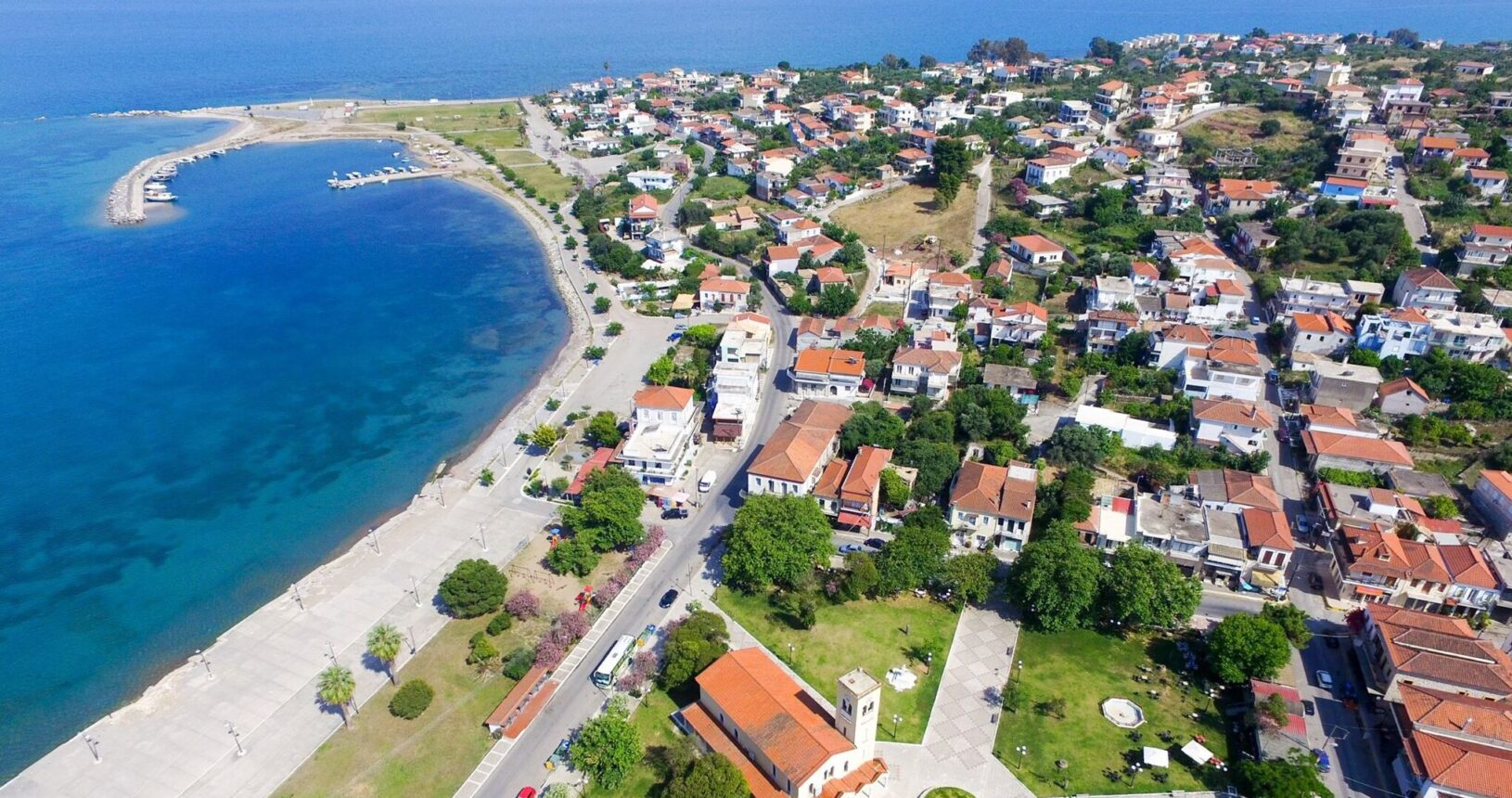
Petalidi is a charming, traditional coastal town located on the western coast of the Messinian Gulf in Messenia. It blends a relaxed seaside atmosphere with a backdrop of silver-green olive groves and clay-tiled rooftops. Petalidi is built directly over the ruins of Ancient Korone (founded around 369 BC) and has roots tying it to the Homeric town of Aipeia. On Kastro Hill, travelers can explore remnants of the ancient acropolis, fortification walls, and historical Roman tombs.
Kalamata
Day 3
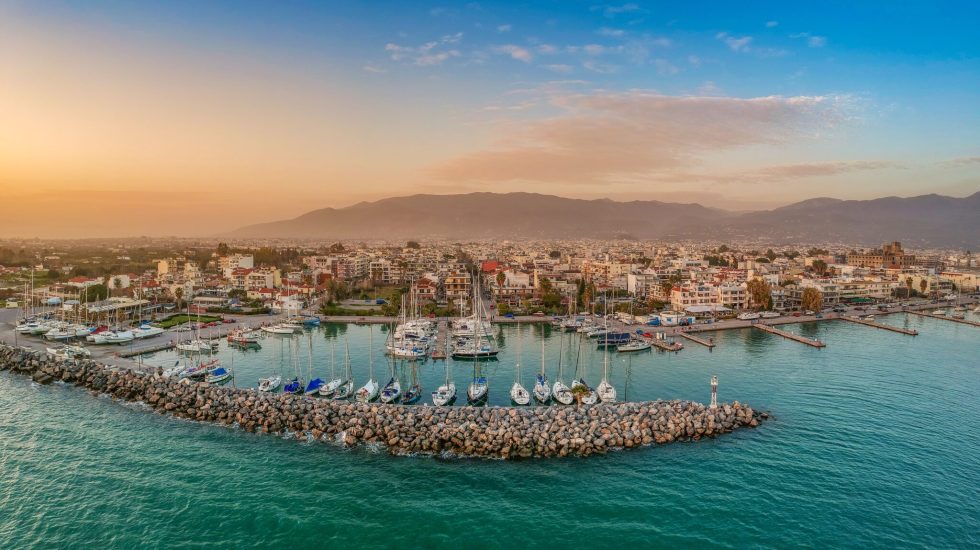
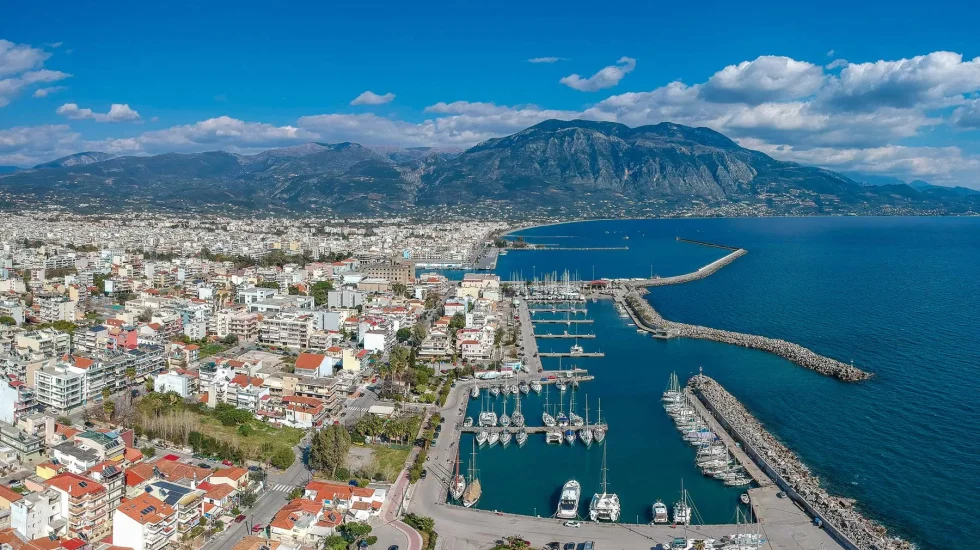
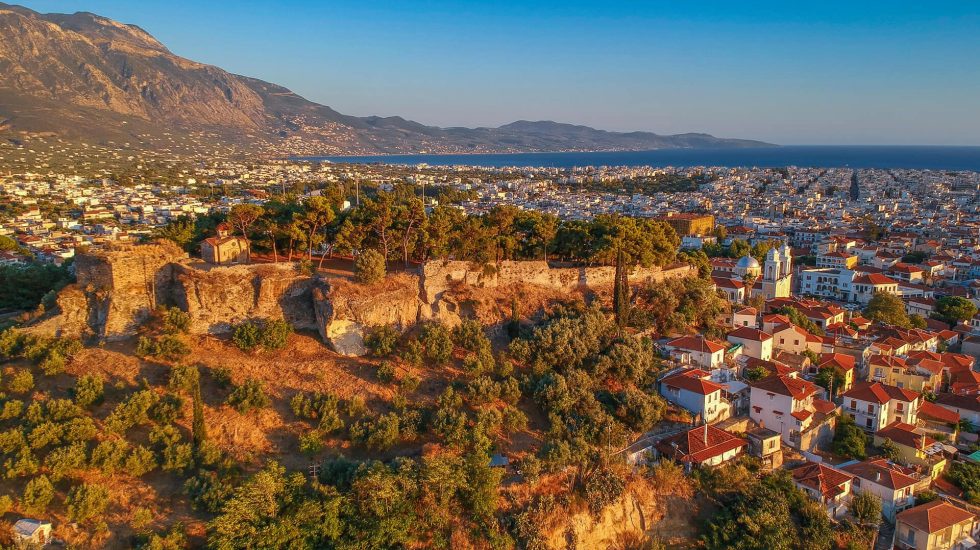
Kalamata is the vibrant capital city of Messenia, nestled at the foot of Mount Taygetos along the sweeping shores of the Messinian Gulf. As the second-largest city in the Peloponnese, it effortlessly bridges the gap between a bustling urban center and an easygoing beach resort. Famous worldwide for its rich Kalamata olives, high-quality olive oil, and premium figs, the city is a top-tier Mediterranean getaway celebrating local gastronomy, deep history, and a stunning 2.5-kilometer urban beach front.
Cultural & Historic Highlights
- Kalamata Castle: Perched on a pine-covered hilltop overlooking the city, this 13th-century Frankish fortress offers panoramic views of Kalamata and the sparkling gulf. Built on the site of ancient Pharae, it hosts cultural theatrical events in its open-air amphitheater.]
- The Historic Old Town: Situated just below the castle, this neighborhood is an atmospheric maze of narrow stone alleys, artisanal shops, and Byzantine churches.
- Church of the Holy Apostles: A landmark 14th-century Byzantine church located in the historic March 23rd Square. This is the sacred spot where Greek revolutionaries declared the War of Independence on March 23, 1821.
- Victoria G. Karelias Collection: A world-class fashion and heritage museum housed in a meticulously restored neoclassical building. It displays one of the finest collections of traditional Greek regional costumes and antique jewelry spanning centuries.
- Municipal Railway Park: A unique, 14-acre open-air museum located a short walk from the center. It features vintage steam locomotives, green walkways, historical passenger cars, and playgrounds, making it fantastic for families and train enthusiasts.
Mystras
Day 3
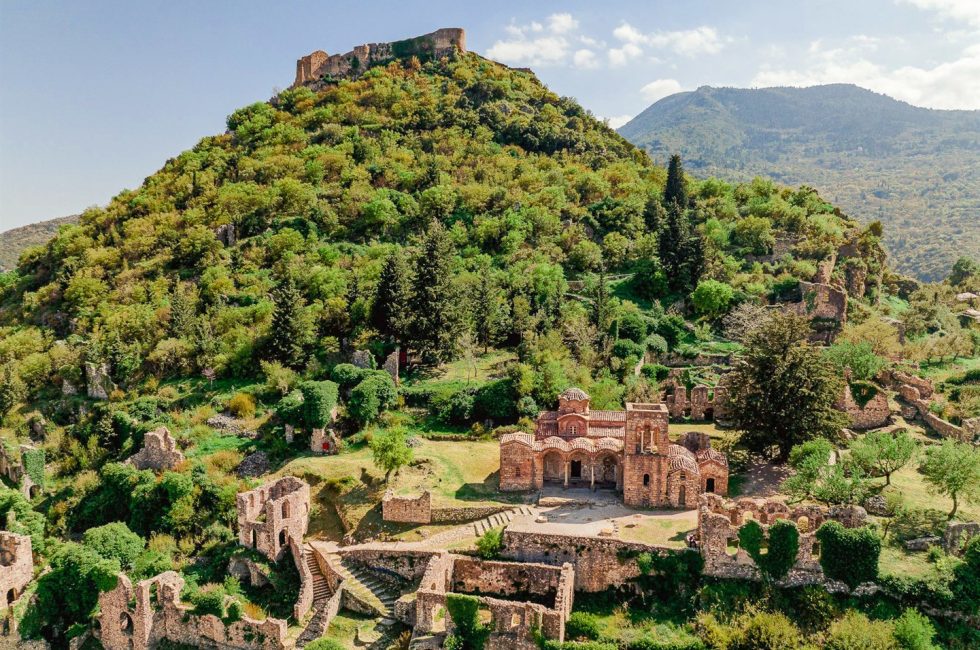
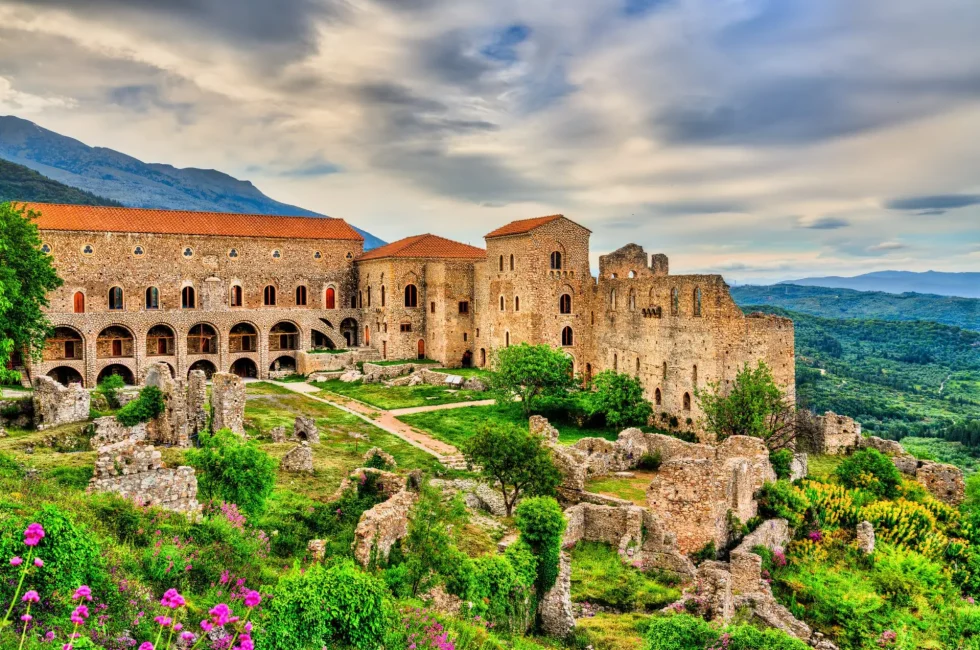
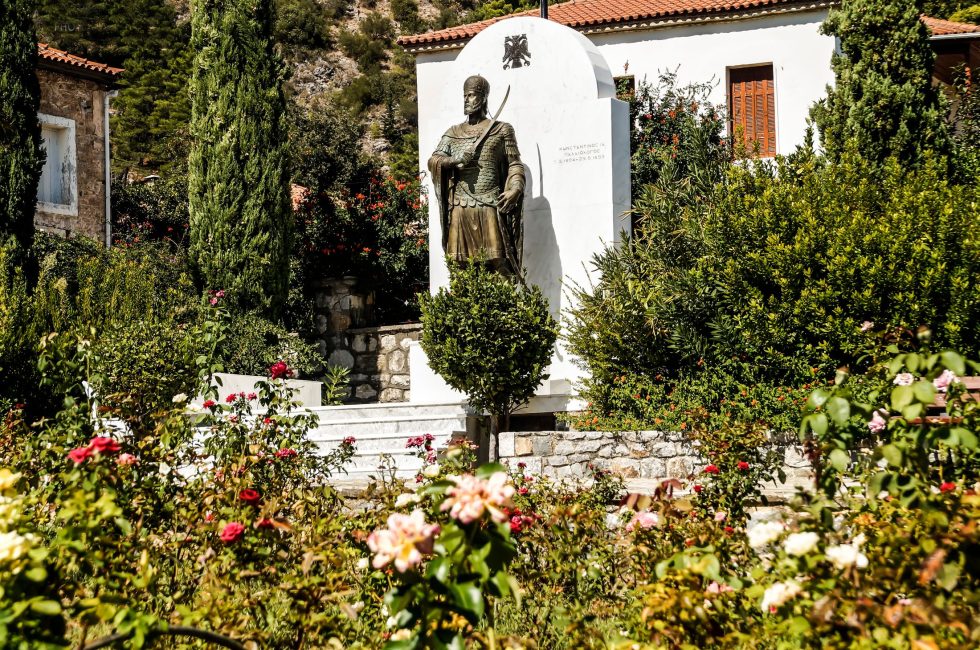
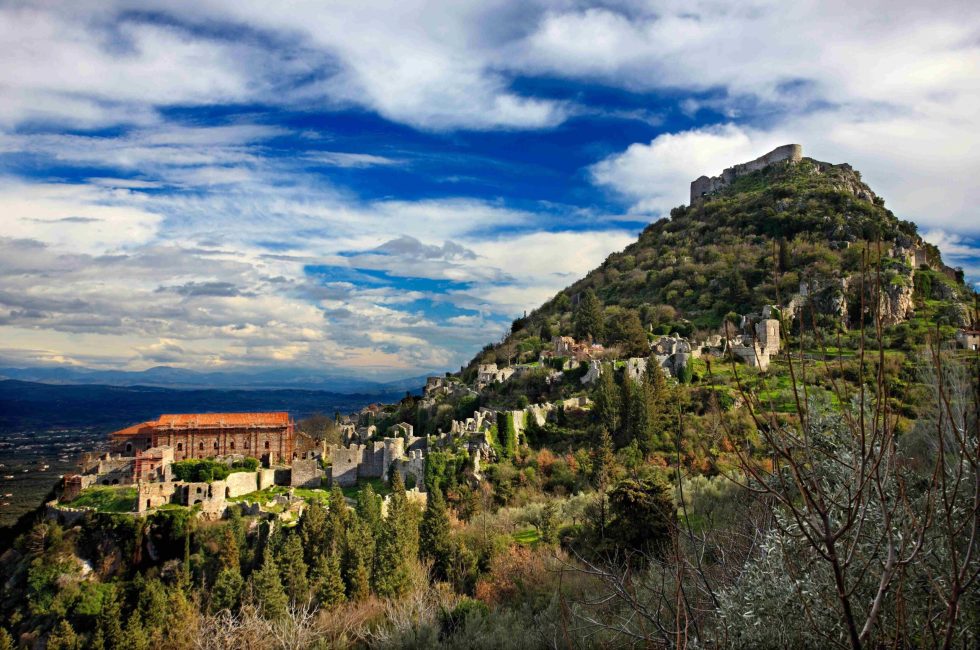
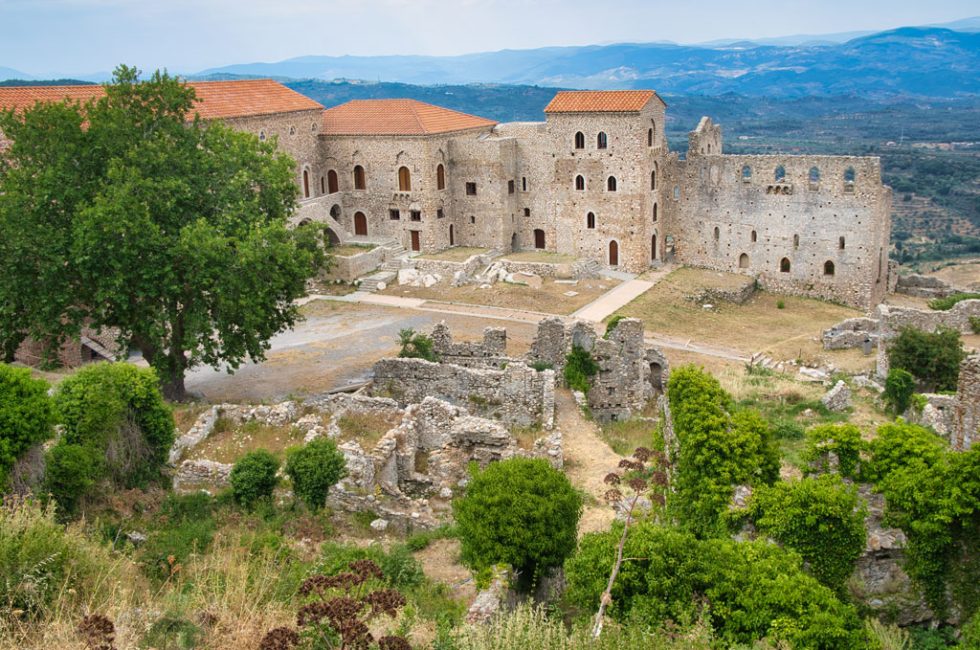
Mystras is a breathtaking, UNESCO World Heritage-listed medieval ghost city perched on the steep slopes of Mount Taygetos, just around 6 kilometers west of Sparta. Serving as the powerful capital of the Byzantine Despotate of the Morea during the 14th and 15th centuries, Mystras was a magnificent center of Byzantine art, culture, and philosophy. Today, it stands as an evocative open-air museum where visitors can walk through intact fortified gates, grand palaces, and beautifully preserved frescoed churches.
Structure of the Archaeological Site
The site is remarkably vast and divided into three main distinct sections. Tip: It requires steep walking on uneven stone paths, so sturdy comfortable shoes are absolutely essential.
- The Upper City (Ano Chora): Entered through the upper ticket kiosk. This area features the towering Frankish Castle (Kastro) at the very peak, offering panoramic views over the Eurotas valley. It also houses the sprawling Palace of the Despots, a rare and grand example of Byzantine civic architecture.
- The Lower City (Kato Chora): Entered through the lower ticket kiosk. This section is home to winding residential alleys and the main cluster of legendary churches.
- The Modern Village: Located at the foot of the hill, this peaceful village features stone-built traditional guesthouses, taverns, and cafes shaded by plane trees where travelers unwind after climbing the ruins.
Highlights & Monasteries to See
- The Metropolis (Agios Dimitrios): The oldest church on the site (built around 1270). It is famous for its intricate double-headed eagle carving in the floor—marking the spot where the last Byzantine Emperor, Constantine XI Palaiologos, was crowned in 1449. It also houses a fantastic small museum.
- Pantanassa Monastery: The only active building on the entire site today, inhabited by a small community of friendly nuns. It boasts highly vivid 15th-century frescoes and stunning architecture blending Byzantine and Gothic elements.
- Peribleptos Monastery: Tucked into a cliffside wall, this monastery contains some of the most refined, detailed, and beautifully preserved Late Byzantine frescoes in existence, depicting biblical scenes with incredible color density.